
Gifu: Hida Takayama A Journey Through Fine Sake Nurtured by the Hida Mountain Waters
The information provided is current as of May 2026.
About This Area
Hida Takayama, Gifu
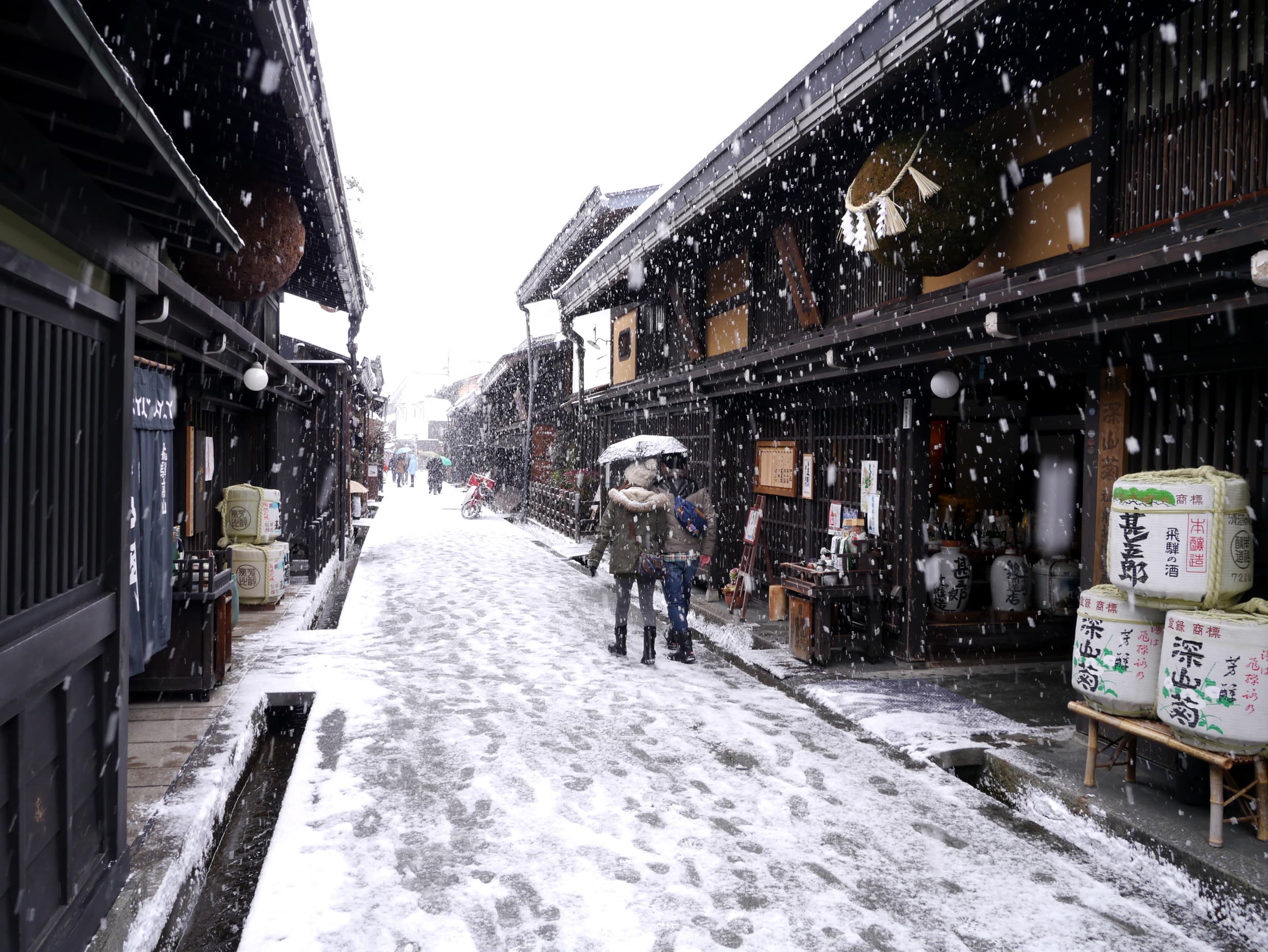
Nestled among the peaks of the Northern Alps, Hida Takayama in Gifu Prefecture is a land shaped by the pure waters of the Hida Mountains and striking seasonal temperature swings. Walk along the Miyagawa River at the edge of the old castle town, or through the surrounding satoyama countryside, and take time to sense the daily life that has coexisted with nature here for centuries. Sake brewing—making full use of the abundant underground water—is one culture inseparable from this town. Sample local sake at the breweries scattered through the historic old town, pair it with regional dishes made from mountain ingredients, and you will come away with a felt sense of the deep connection between nature and people that has been passed down here.
Good to Know
The Takayama & Hokuriku Area Tourist Pass covers unlimited travel on shinkansen, limited express, local trains (including new rapid and rapid services), and certain bus routes within the area for five days. With advance reservation, you can also reserve standard-car reserved seats on up to six trains. Purchase or exchange is available at travel agencies and selected station ticket offices.
What You Can Do Here
Touch the Nature of the Northern Alps
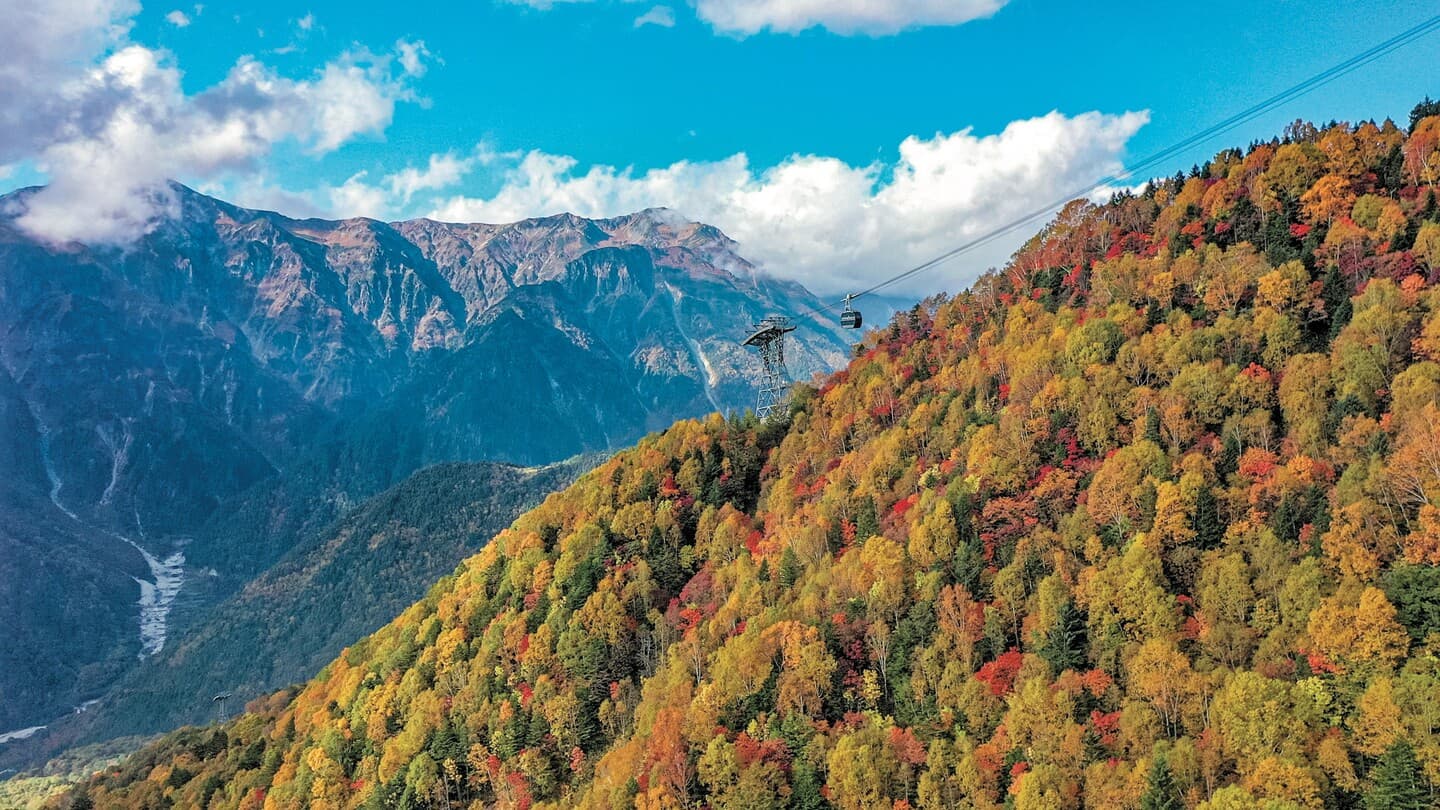
This area is surrounded by the peaks of the Northern Alps and blessed with snowmelt water and underground springs. Ride the ropeway up to view the mountain ranges and you will feel the rich, rugged natural beauty of this region. Stroll the riverbanks of the Miyagawa or through the satoyama outside town, and you will glimpse the abundance of water that has sustained sake brewing here. It is these very natural conditions that underpin the refined, dry taste of Hida's sake.
Visit Sake Breweries in the Historic Old Town
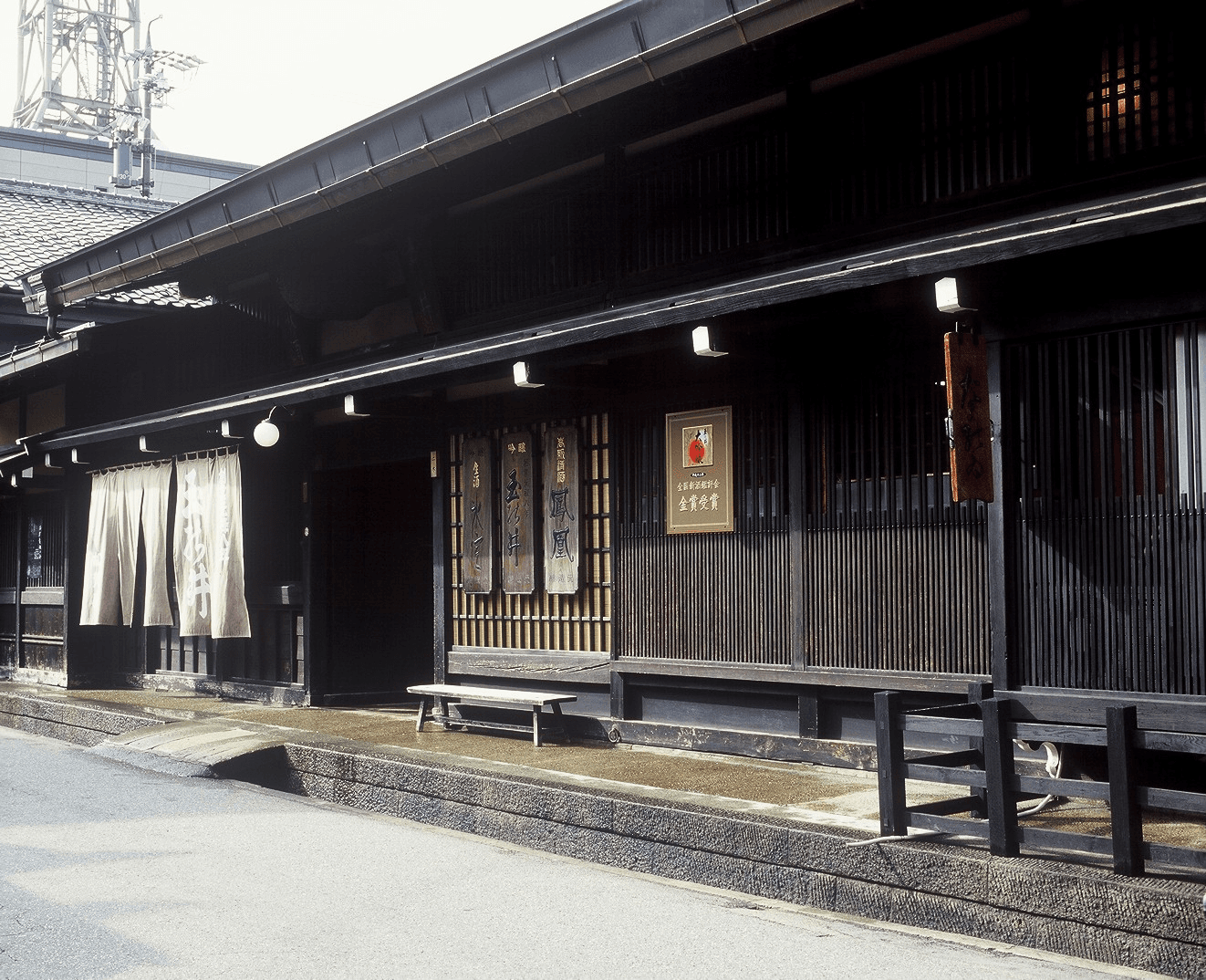
Among the old streets that still carry the atmosphere of the Edo period, sake breweries continue their craft to this day. While admiring the whitewashed walls and cedar-ball shop signs (sugidama), enjoy comparing the distinct flavor profiles of each brewery through tastings. Walking through town, you will feel how deeply sake is woven into everyday culture here.

Savor Local Food and Local Sake Together
Regional dishes born of the cold climate—Hida beef, mountain vegetables, hoba miso—are a perfect match for local sake. Enjoying food and sake together reveals the thread that connects natural conditions through daily life and into food culture.
Spot Details
Shinhotaka Ropeway
Directly from Shinhotaka Ropeway bus stop (Shinhotaka Onsen Station)
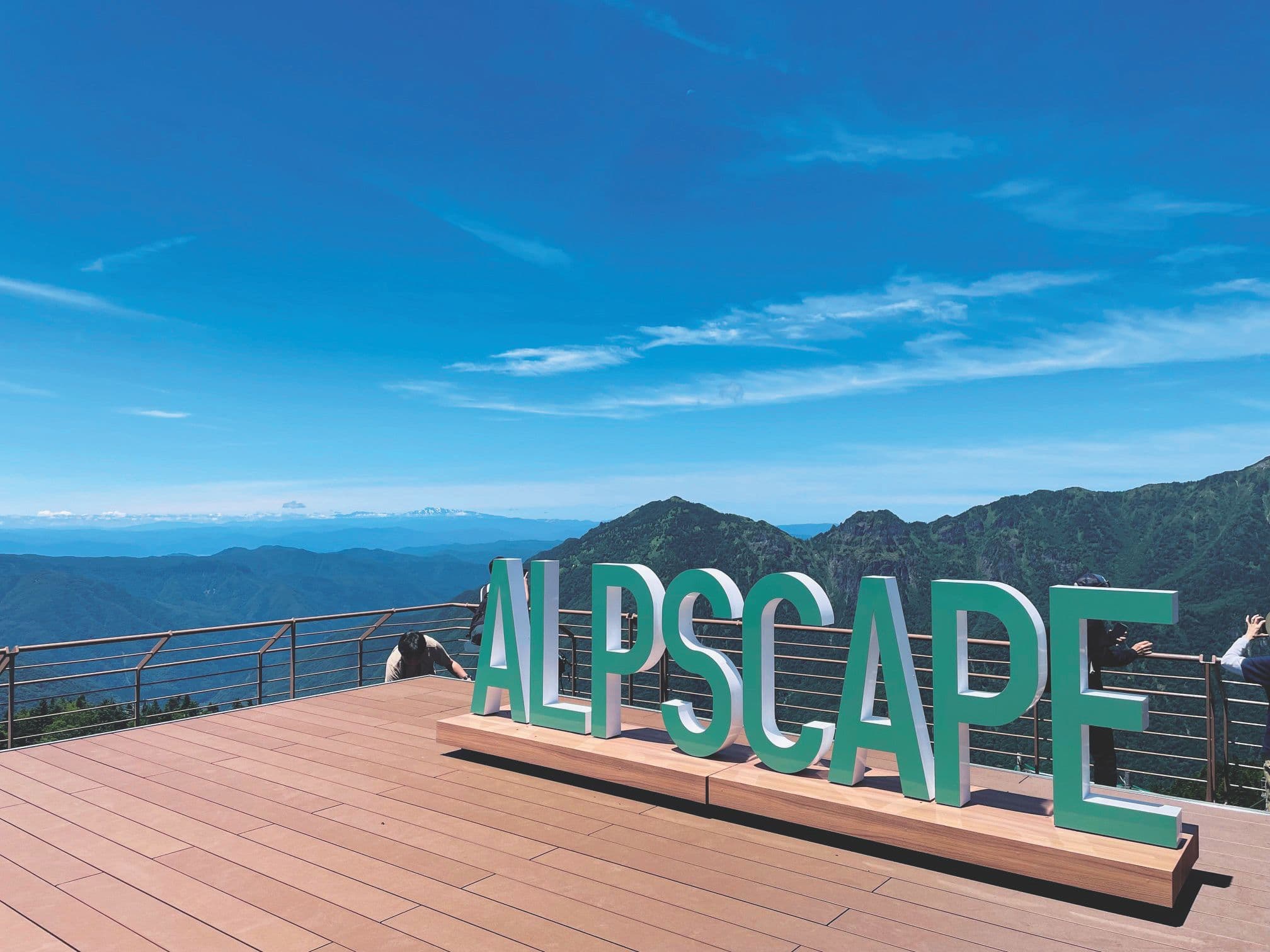
Take two ropeways from Shinhotaka Onsen Station, climbing more than 1,000 meters in elevation. From the double-decker gondola of the second ropeway, the sight of autumn foliage on Japanese maple, beech, and konara oak is breathtaking. At the terminal Nishi-Hotakaguchi Station, panoramic views of Yarigatake and Nishi-hotaka-dake await.
Niki Sake Brewery
15 min walk from Takayama Station
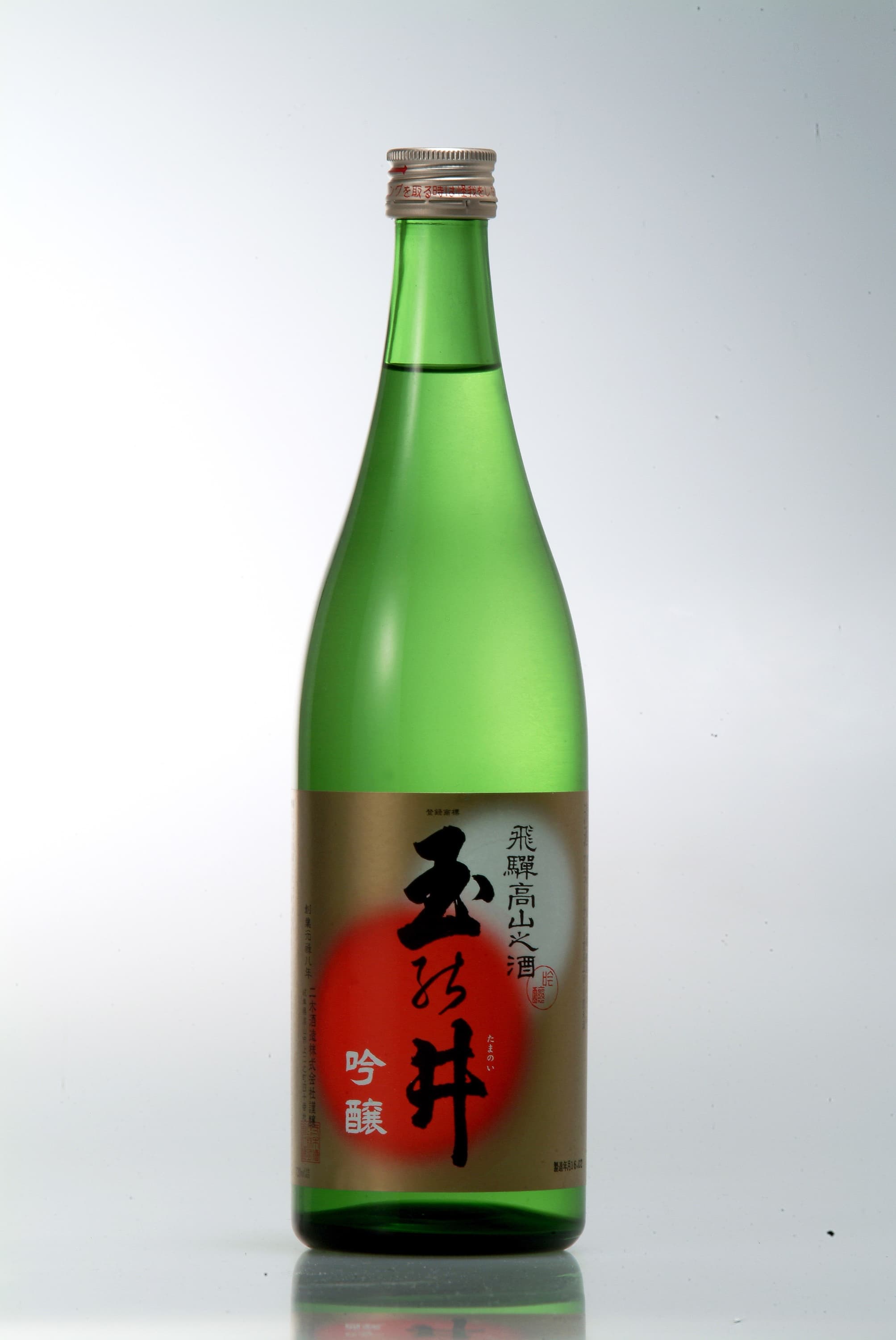
This long-established brewery is led by Kotaro Niki, its 16th-generation owner, and is the only ginjo-dedicated brewery in Takayama. The founding family came from Ishikawa Prefecture, hence the shop name 'Kagaya.' The brewery prizes seasonal sake: 'Daiginjo Namazake Himuro' in spring through summer, and 'Daiginjo Hiyaoroshi Shuurei no Honoo' in late autumn through winter.
Kawajiri Sake Brewery
13 min walk from Takayama Station
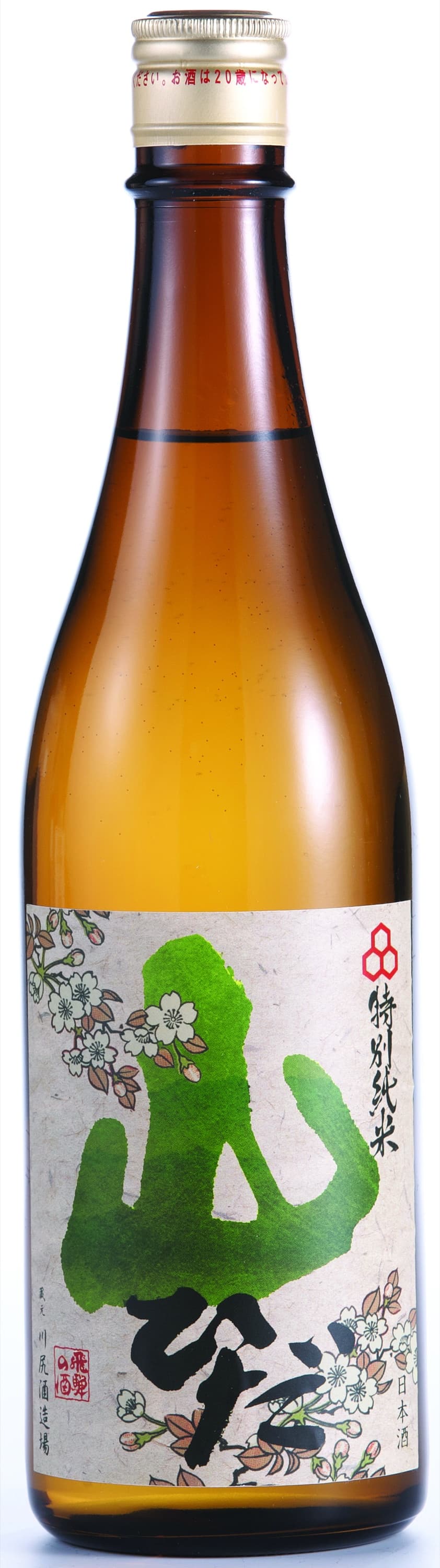
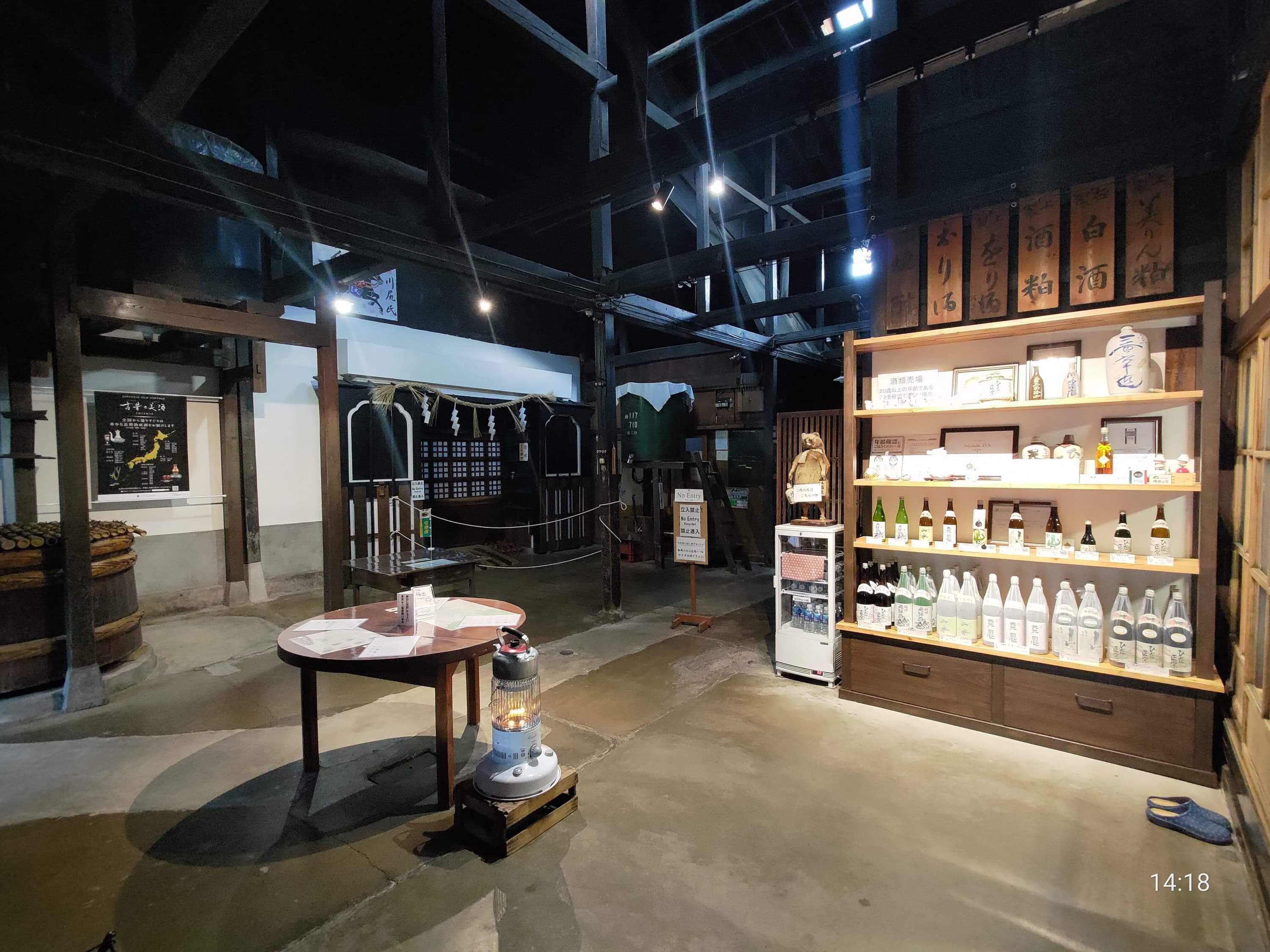
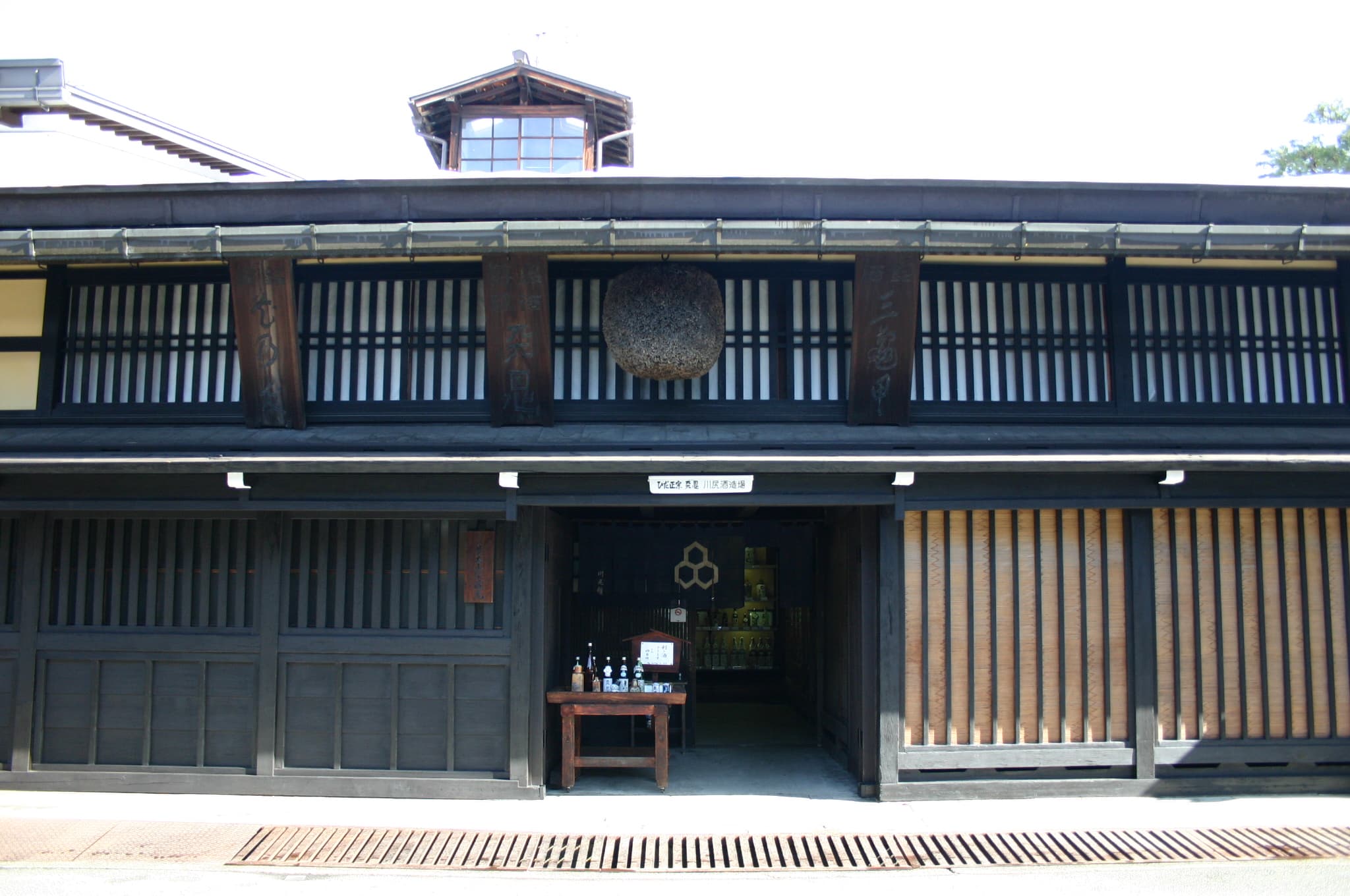
Founded in 1839. The brewery adheres to traditional small-batch production: rice is steamed in a Japanese kiln and koshiki steamer, then cooled slowly by natural cold air. One hundred percent of the sake uses Hidahomare, a sake-brewing rice variety. Aside from nigorizake (unfiltered sake), all products are aged sake (koshu), and the plum wine made with koshu is also popular.
Fukutaro
4 min walk from Furui Machinami-guchi bus stop
Takayama's mitarashi dango are said to have originated from rice flour made from sake-brewing rice. Fukutaro's mitarashi dango are ¥90 each. The fragrant soy sauce glaze and chewy texture are irresistible.
Jinya Tofu Furukawaya
10 min walk from Takayama Station
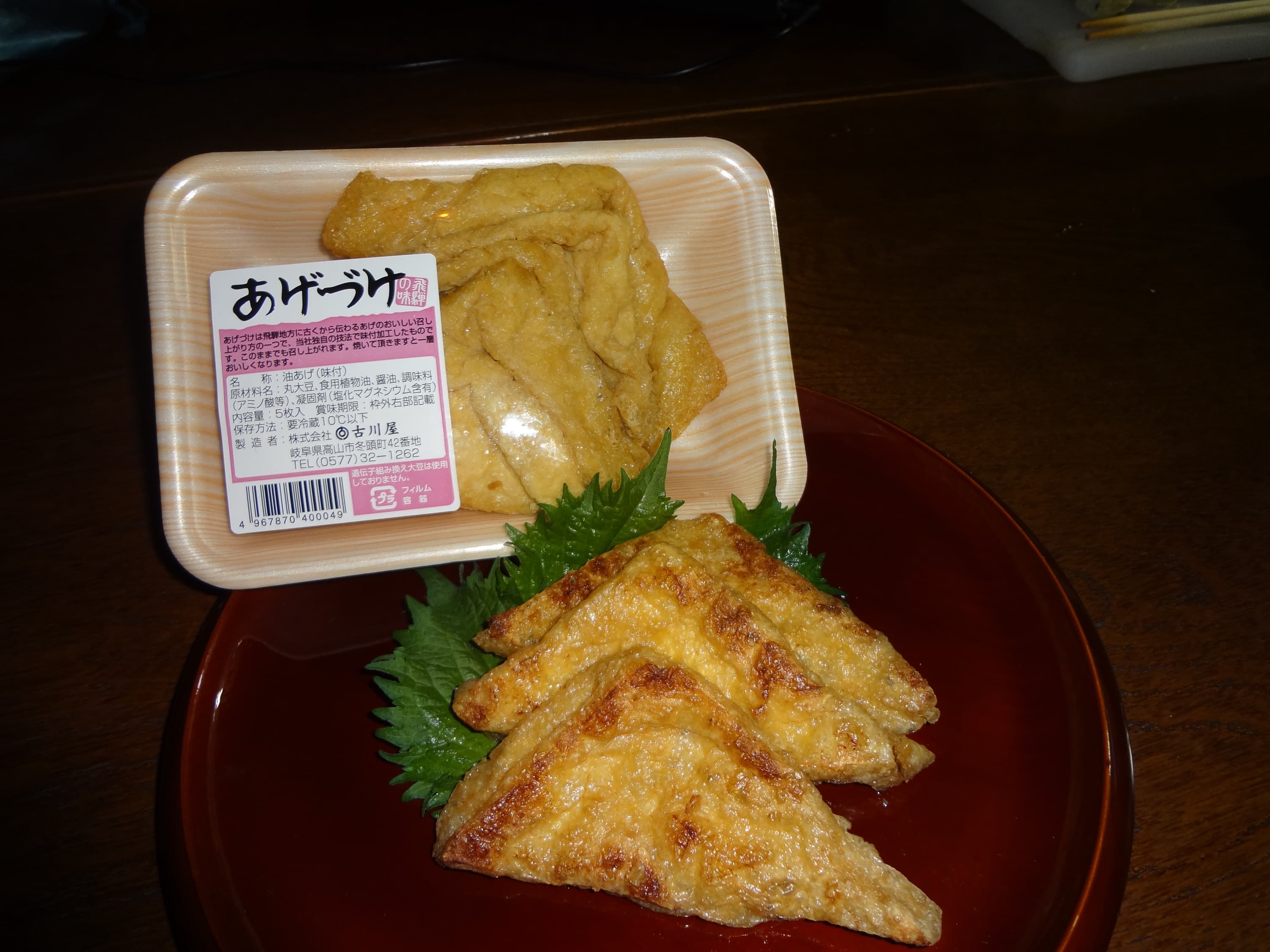
The 'agezuke' (5 pieces, ¥270) is a beloved local food: thick fried tofu soaked in a proprietary soy-based sauce that spreads through the palate. Take it home and toast it in the oven before eating—it's even better.
More to Explore
Extra spots worth a detour if your schedule allows
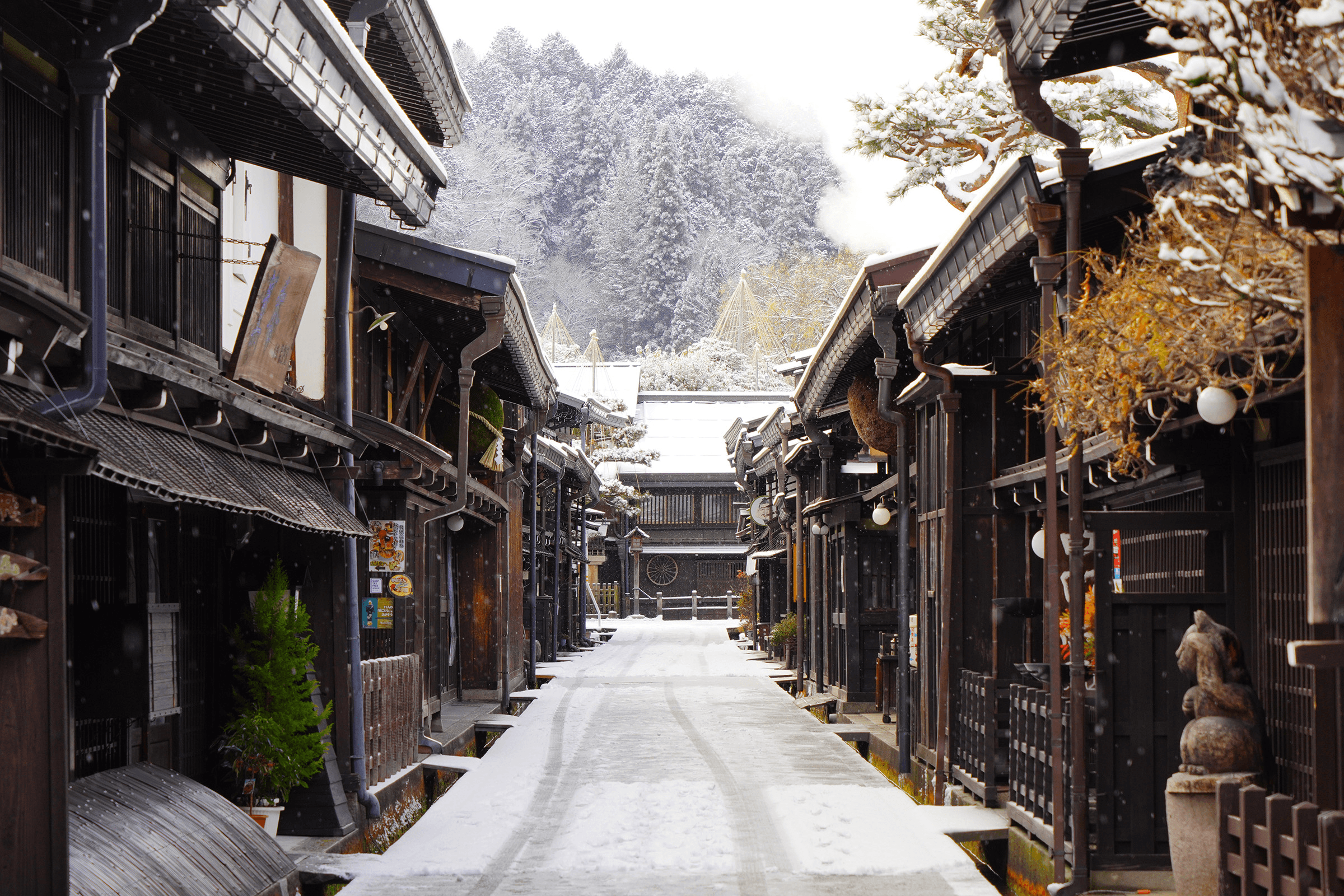
Historic District
Rows of late Edo and Meiji-era townhouse architecture that still define Takayama's streetscape.
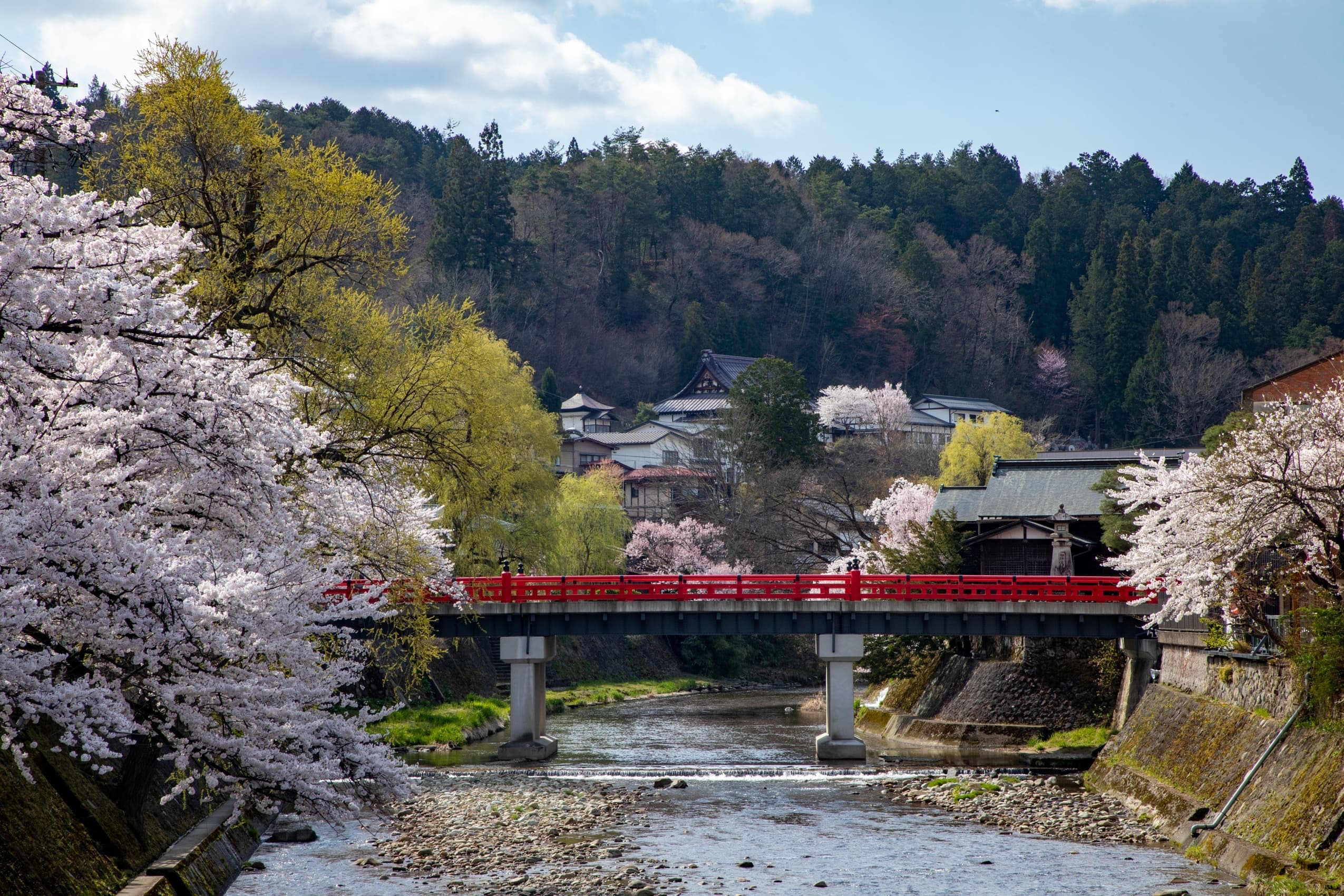
Nakabashi Bridge
The vermillion bridge spanning the Miyagawa River — Takayama's most iconic landmark, standing watch over the city since 1925.
Getting There
Getting to Nagoya
Nagoya to Hida Takayama
The fastest way from Nagoya to Hida Takayama is the Hida Limited Express. Along the way, enjoy scenic views of the Kiso River and mountain landscapes. Direct highway buses from Nagoya Station are also available—choose whichever fits your schedule best.
Before You Go
Transport
The Takayama & Hokuriku Area Tourist Pass
A great-value pass for unlimited travel on shinkansen, limited express, and local trains (including new rapid and rapid services) and certain bus routes in the area for five days. Purchase at travel agencies or selected station ticket offices before or on the day of your trip.
IC Cards and Local Buses
IC cards (Suica, PASMO, etc.) and credit cards cannot be used on local buses—cash only. Note that ¥5,000 and ¥10,000 bills are not accepted. When boarding from the front door, take a numbered seiri-ken ticket; when alighting, insert your fare and ticket in the box beside the driver.
Culture
Morning Markets
Every morning along the Miyagawa River that flows through Takayama, the 'Miyagawa Asaichi' morning market is held. It's a lively market brimming with local vegetables and folk crafts, and the local Hida dialect fills the air.
Food
Hoba Miso
A regional dish in which miso, chopped green onion, and shiitake mushroom are placed on a fallen magnolia leaf and grilled. It pairs perfectly not only with white rice but also with local sake.
Seasons
New Sake Season
New sake typically goes on sale from late November through early December. For the fresh, lively taste of freshly pressed sake, plan a winter visit to Takayama.
Questions about Hida Takayama (Gifu)
Access & Transport
How do I get to Hida Takayama from Tokyo?
How do I get to Hida Takayama from Osaka?
Is there a rail pass that covers Hida Takayama?
Can I use IC cards on local buses in Takayama?
Sightseeing & Culture
What is the Sanmachi historic district in Takayama?
What is the Nakabashi Bridge in Takayama?
What is the Shinhotaka Ropeway?
Food & Drink
What local food should I try in Hida Takayama?
When is the best time to try new sake in Takayama?
What is Hida Takayama known for in terms of sake?
SAVE THIS TRIP PLAN
High-resolution PNG — perfect for sharing or offline reference