
Toyama:Gokayama A Journey Through Life in the UNESCO World Heritage Gassho-Style Villages
The information provided is current as of May 2026.
About This Area
Toyama / Gokayama Gassho-Style villages
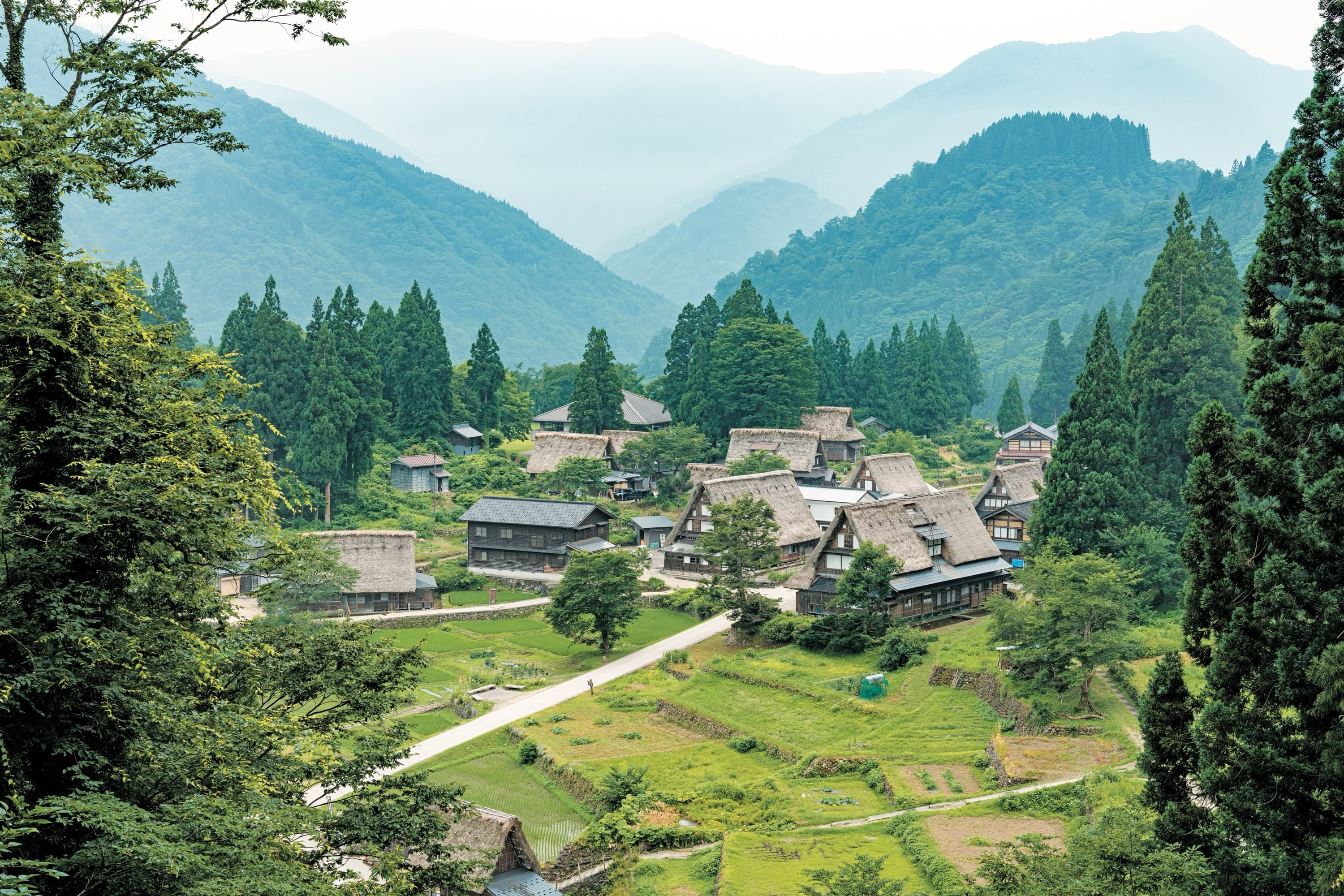
Gokayama and these villages in Nanto, together with Shirakawa-go in Gifu, were inscribed on the World Heritage List in 1995 as the Historic Villages of Shirakawa-go and Gokayama. Walk slowly through deep mountain country where heavy snow has shaped daily life for centuries. Taste river fish and Gokayama tofu, and you will begin to sense how people still live here today.
Good to Know
Gokayama is a World Heritage site, but it remains a living community where people still reside. Please smoke only in designated areas, do not enter private land without permission, and avoid strolling in the villages very early or after dark. Wildlife also inhabits these mountains. Avoid isolated trails, and outside winter carry a bear bell to keep yourself safe.
What You Can Do Here
Experiencing everyday life inside gassho-style houses
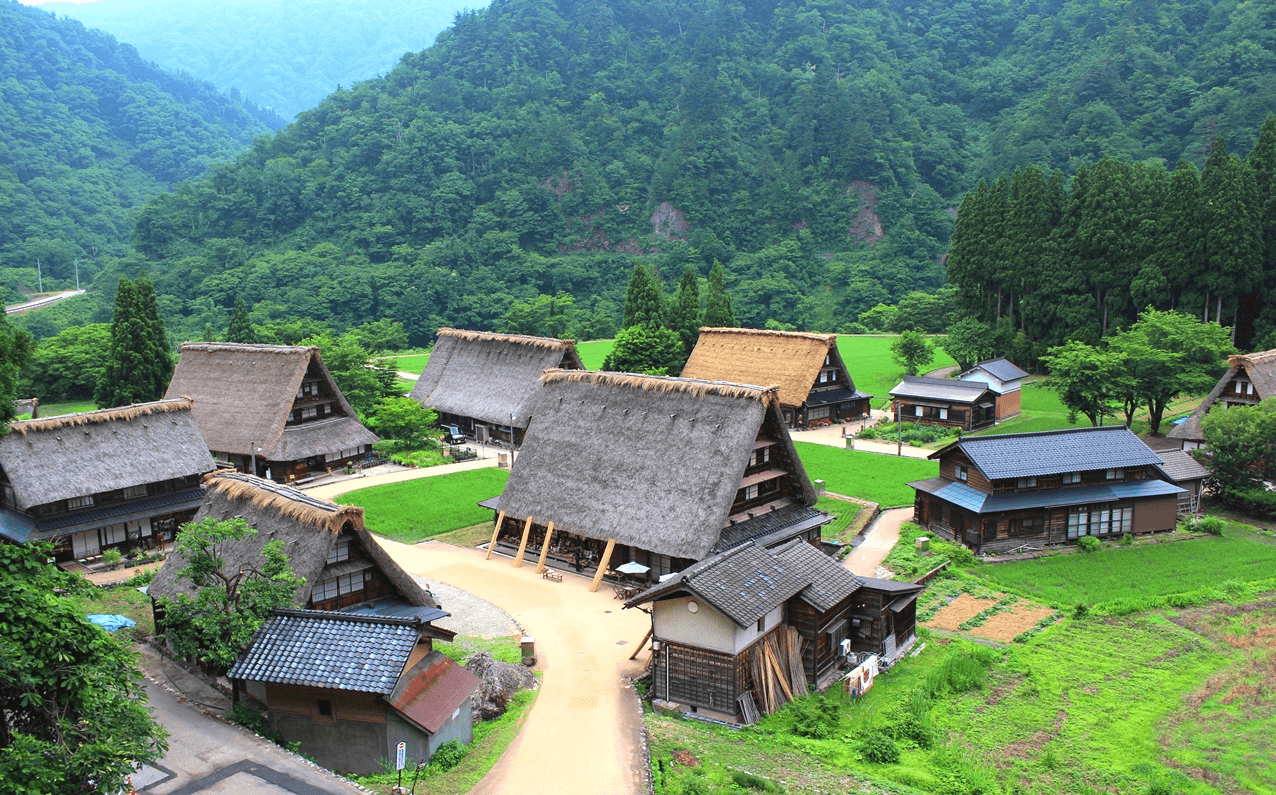
Gokayama's Gassho-Style villages are not a staged theme park — they are places where people still live and go about their daily lives. The steep thatched roofs and the arrangement of homes speak to generations of ingenuity shaped by heavy snow. Walk through the village quietly and take in a landscape that remains part of someone's everyday life.
Time wrapped in mountain nature
Ringed by mountains, Gokayama is a place where the murmur of streams and the wind are part of the soundtrack of life. Along walking paths, forests change with the seasons in ways you rarely see in Japan's big cities.
Food and folk culture rooted in the land
Chestnuts, wild plants, char—Gokayama's food culture is inseparable from the mountains. Folk songs such as Kokiriko and seasonal events passed down in gassho-style houses hint at how tightly this community has lived together over time.
Spot Details
Iwase Residence
Right by Nishiakao bus stop
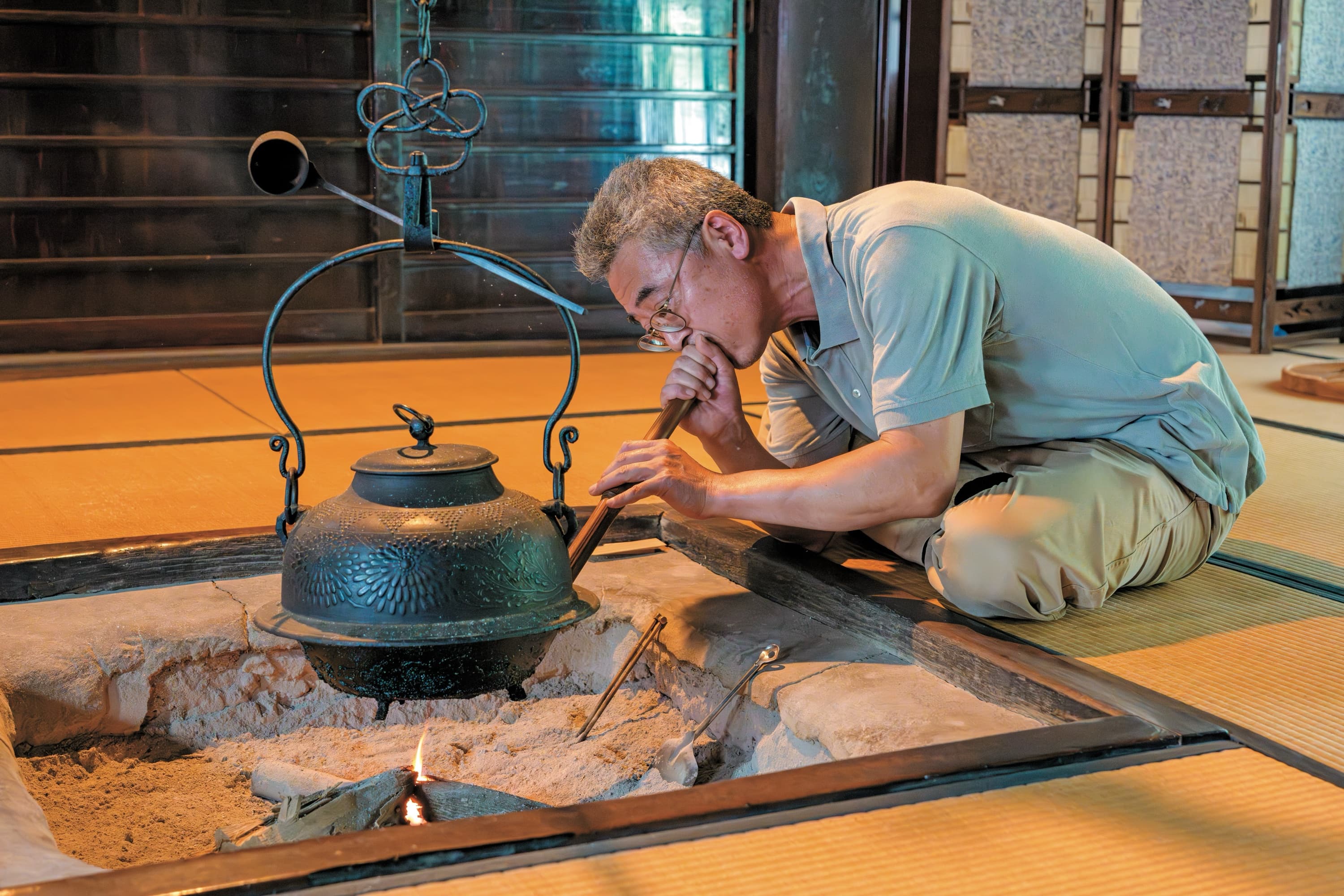
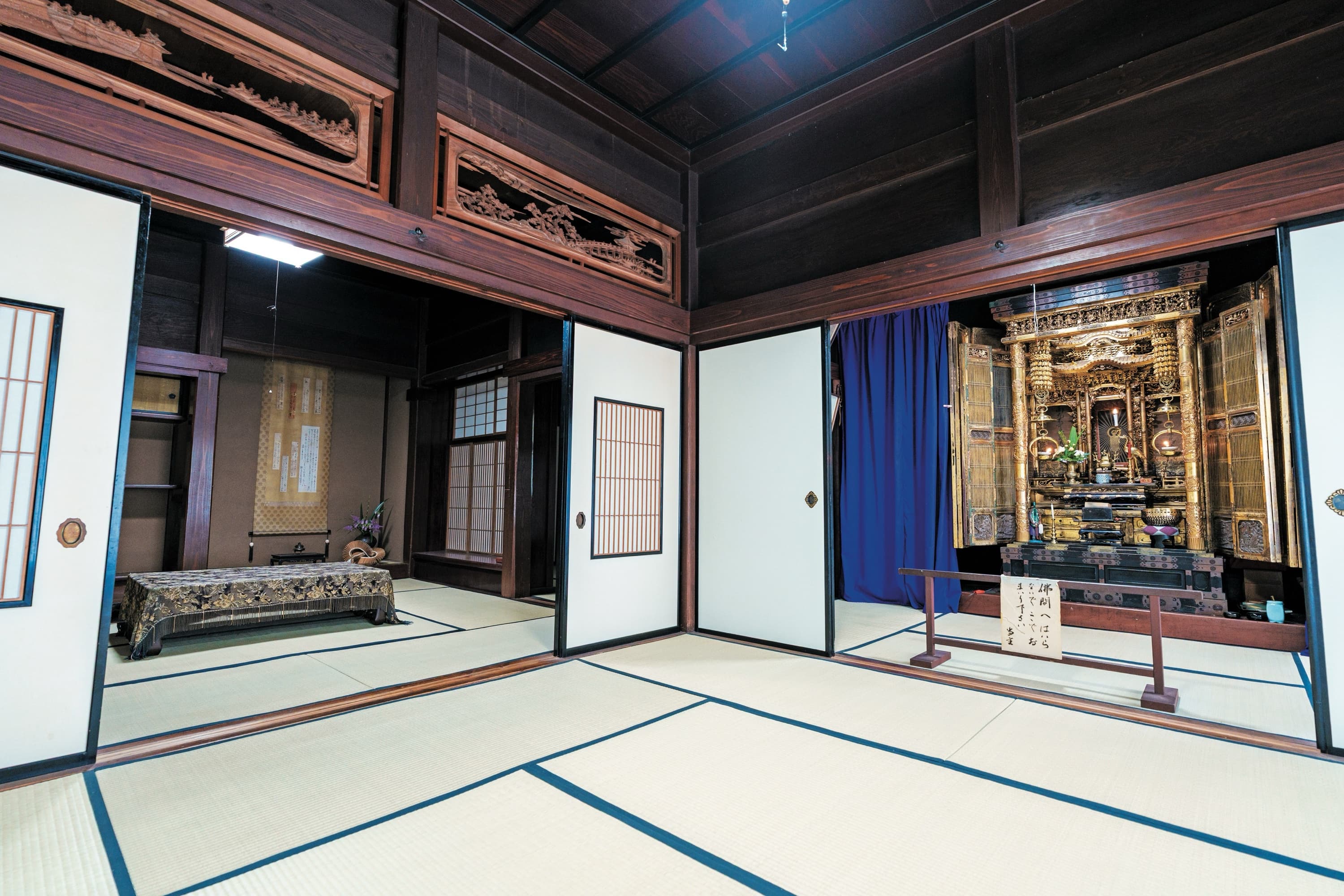
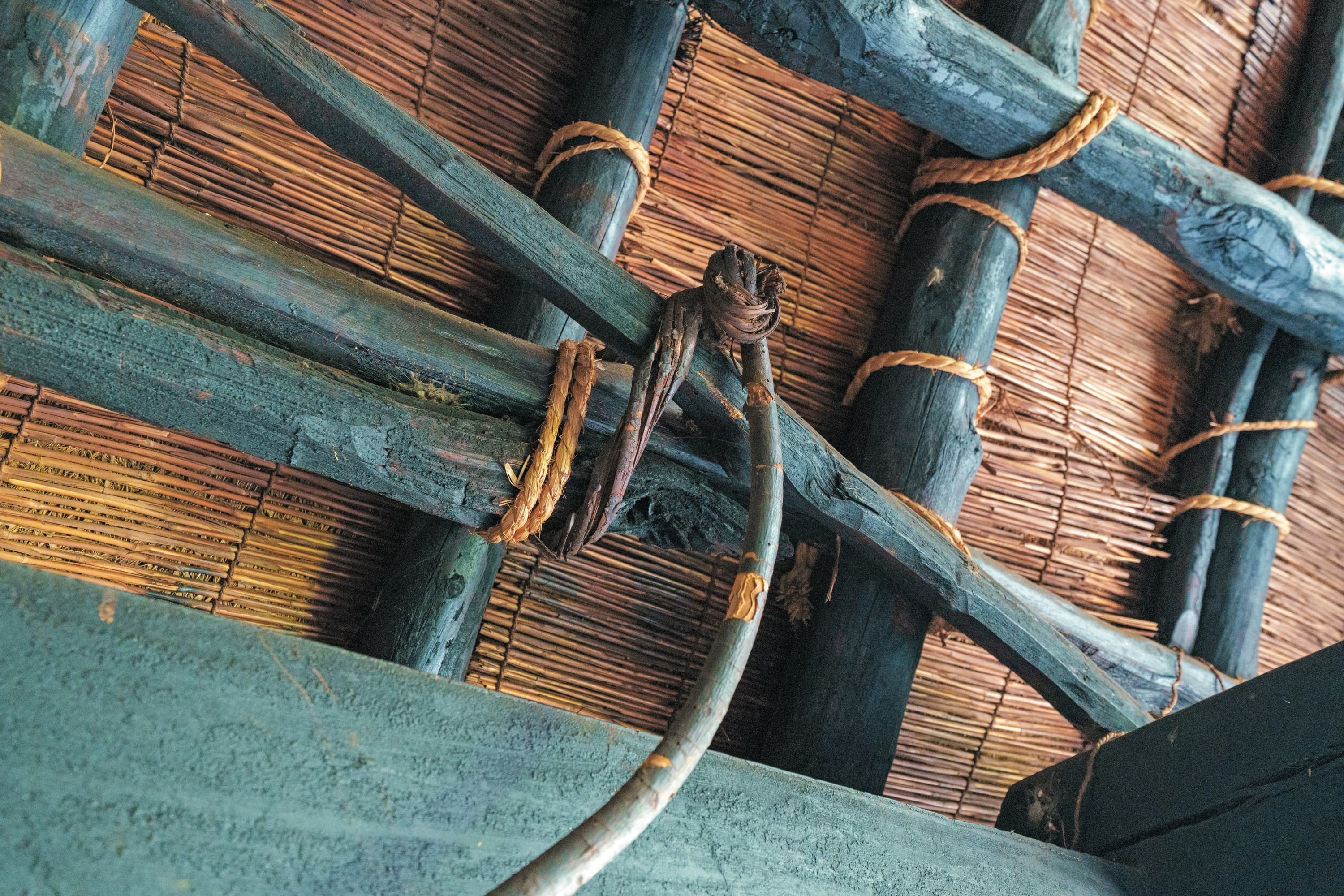
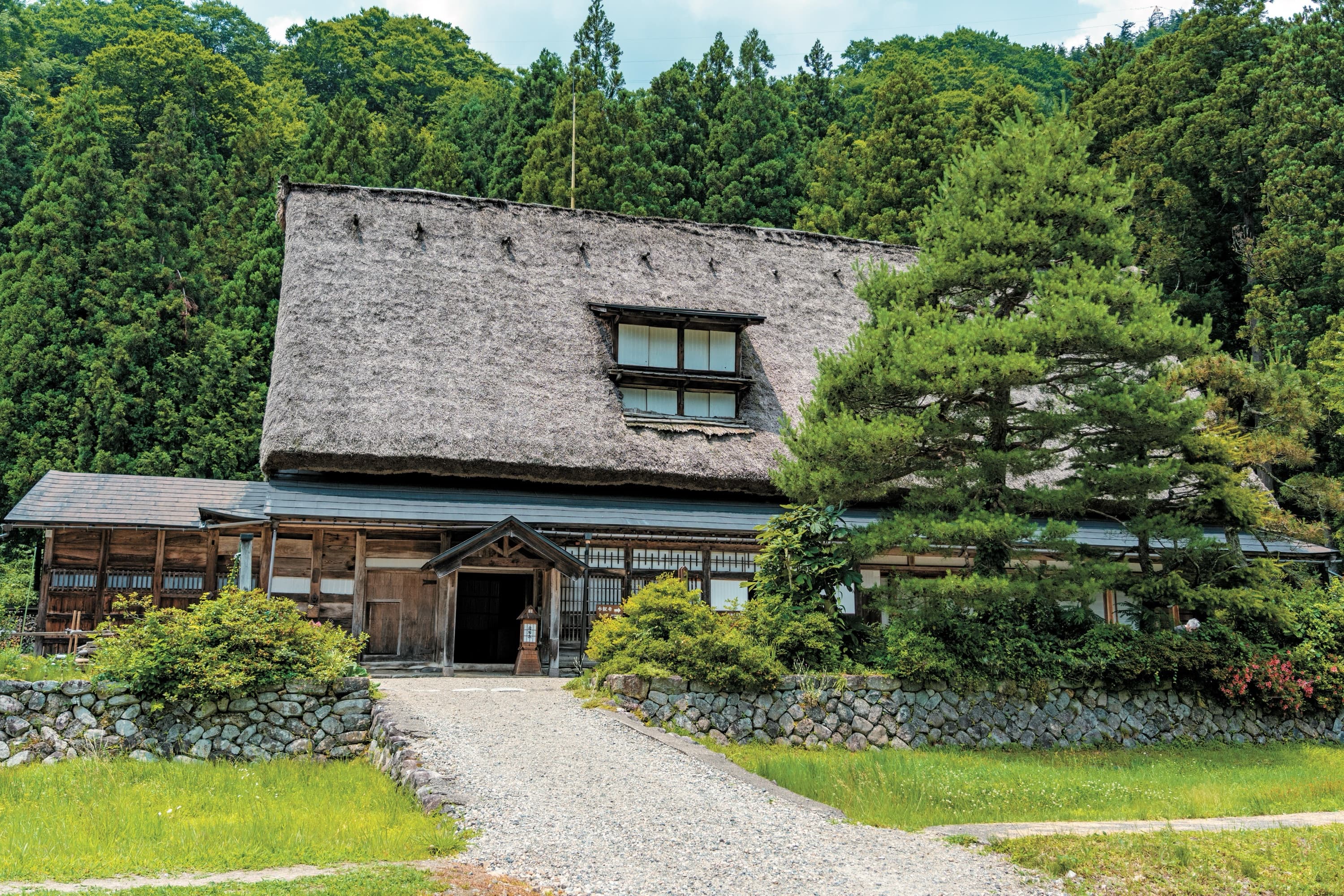
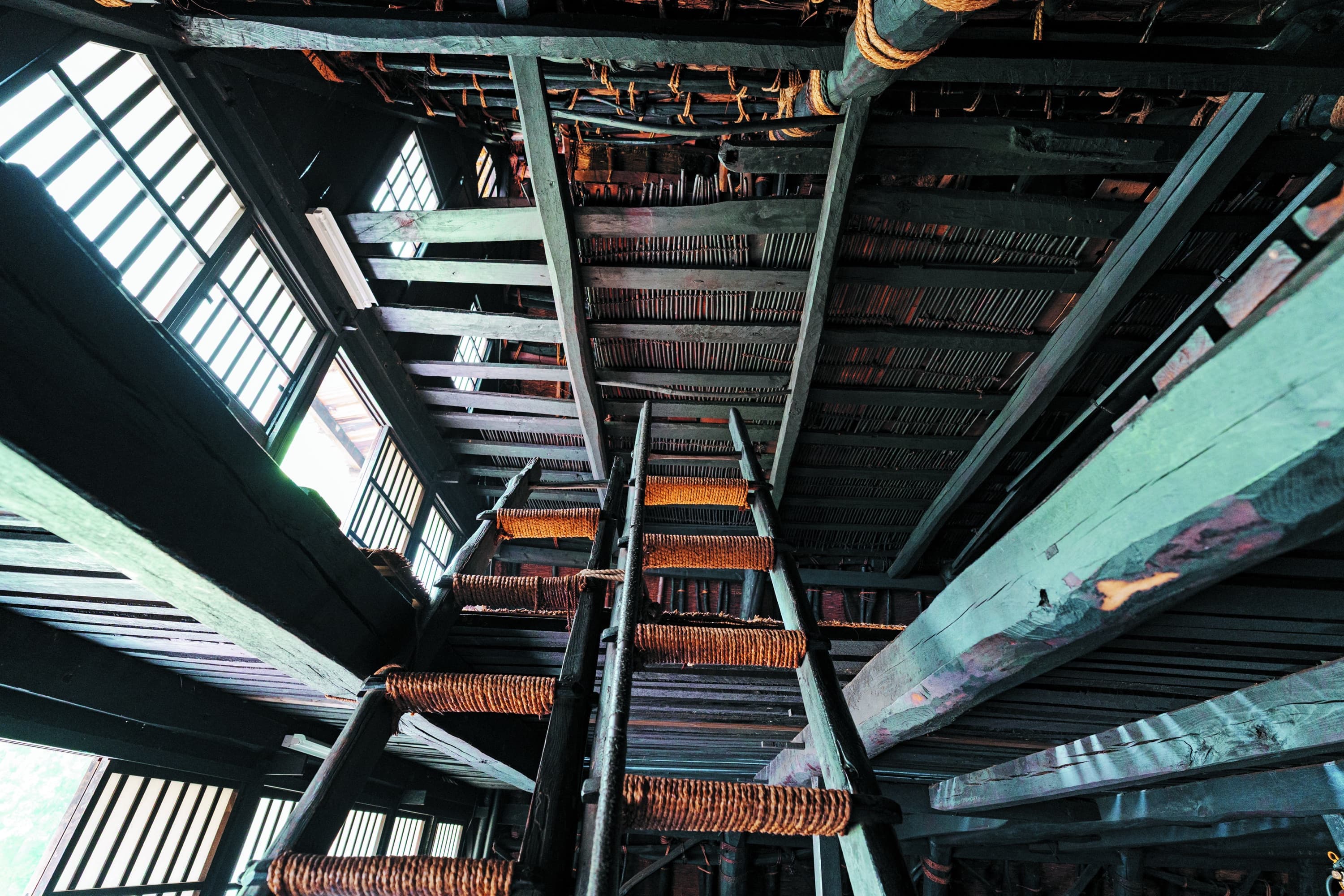
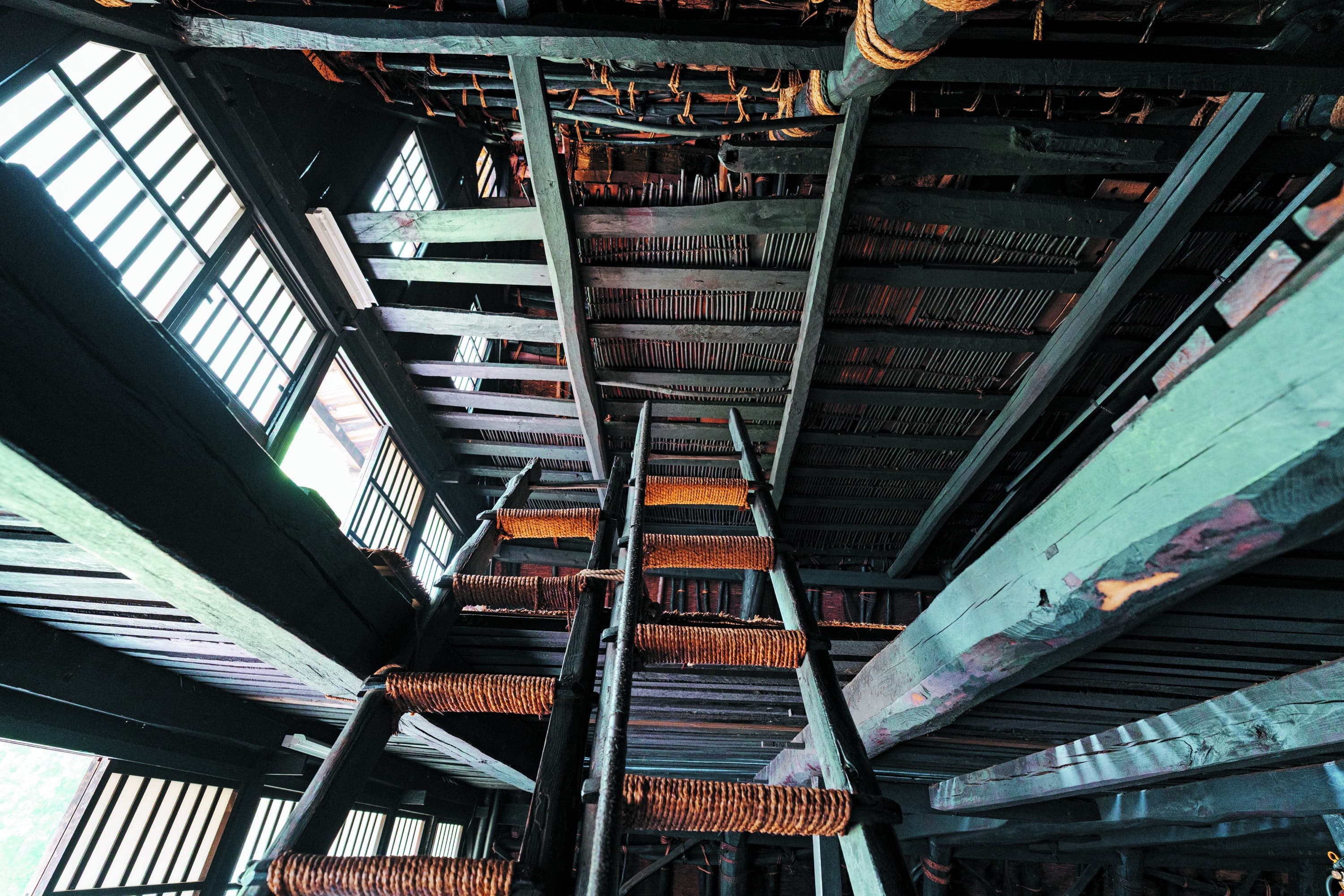
Built around the mid-1700s for the family of the jōniyaku official who coordinated saltpeter deliveries to the Kaga domain. To host domain officials, the house has rare gassho features such as a shoin-style reception room and a musha-kakushi (hidden guard) space. Exploring the attic and hearing stories by the irori hearth are highlights.
Gokayama Washi Making Experience Hall
6 min walk from Ainokura-guchi bus stop
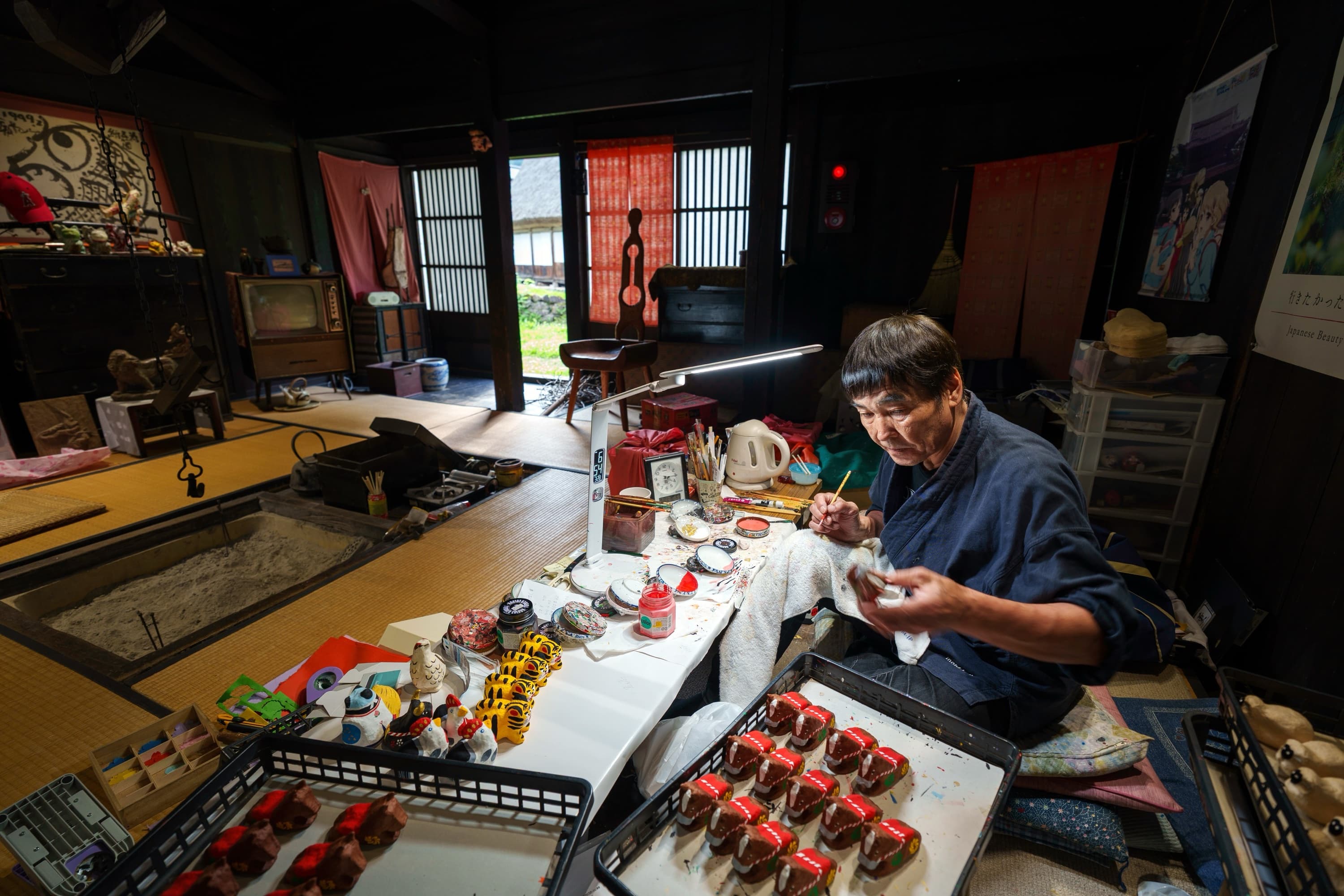
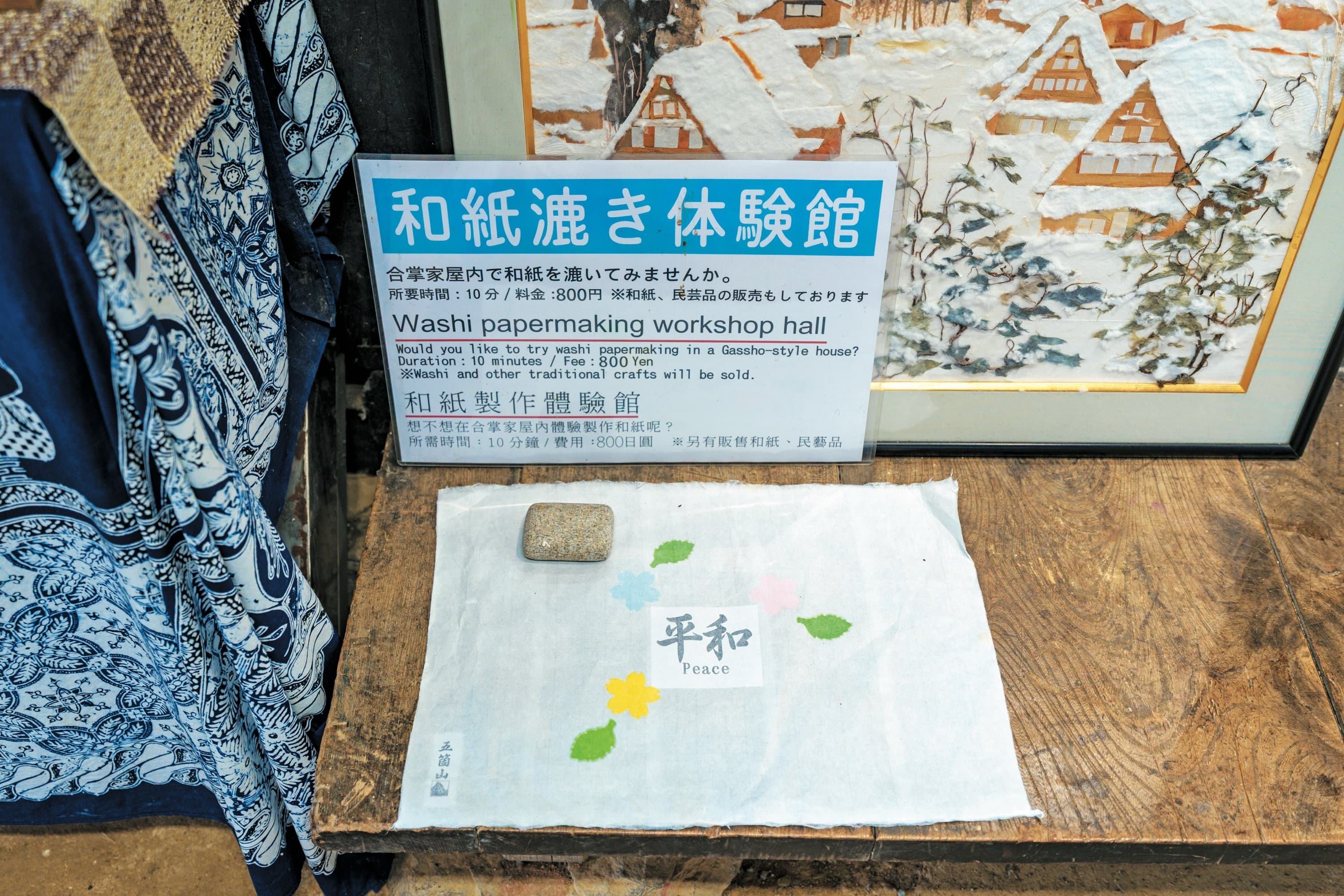
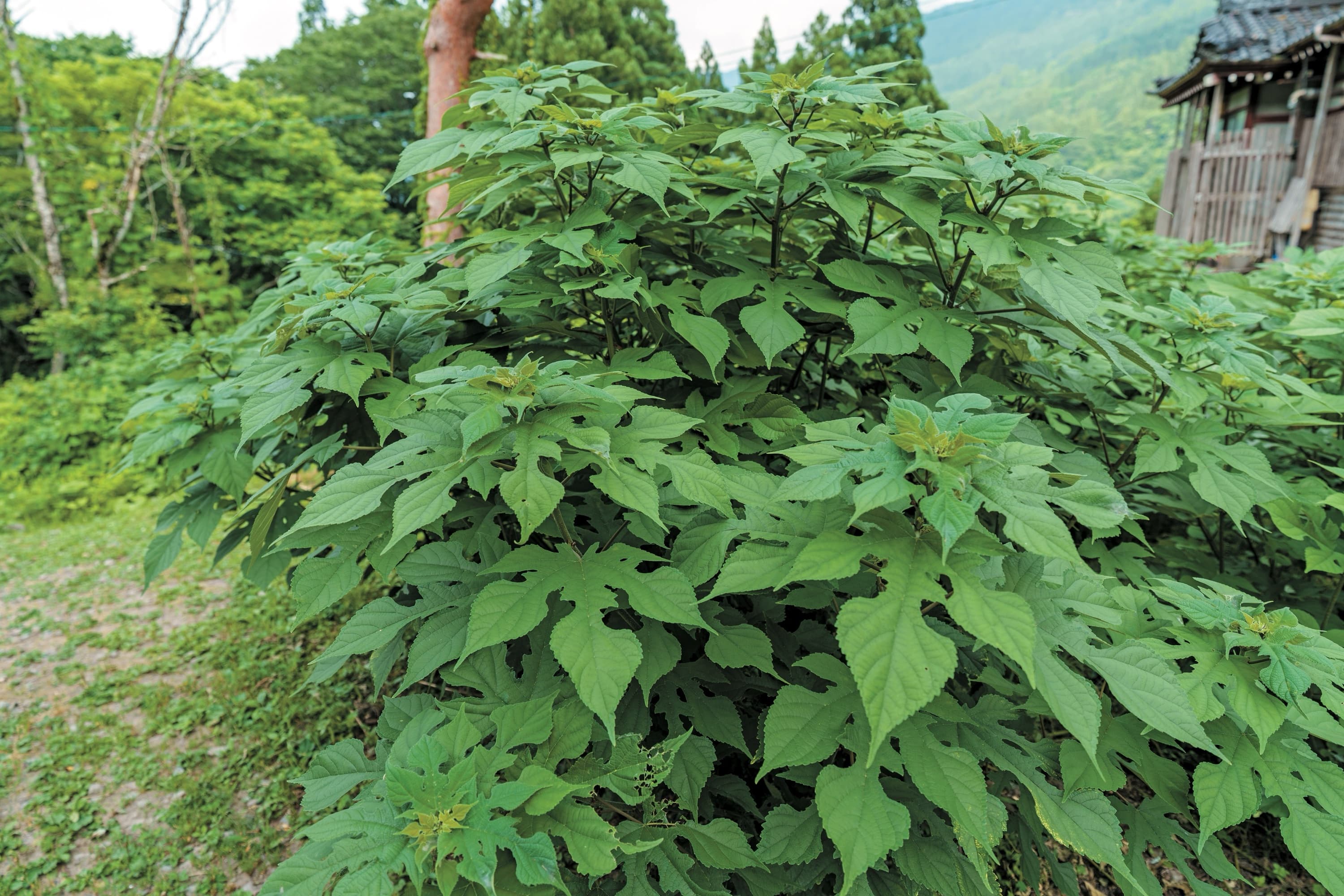
A gassho-style washi shop in Ainokura, run by the agricultural cooperative Gokayama Washi. In addition to hands-on papermaking experiences, the shop stocks a wide variety of washi products. Particularly popular are shiso ningyō — paper-molded figurines crafted from collected washi offcuts.
Gokayama Shunsai Kōbō Iwana
Right by Sasara-kan-mae bus stop
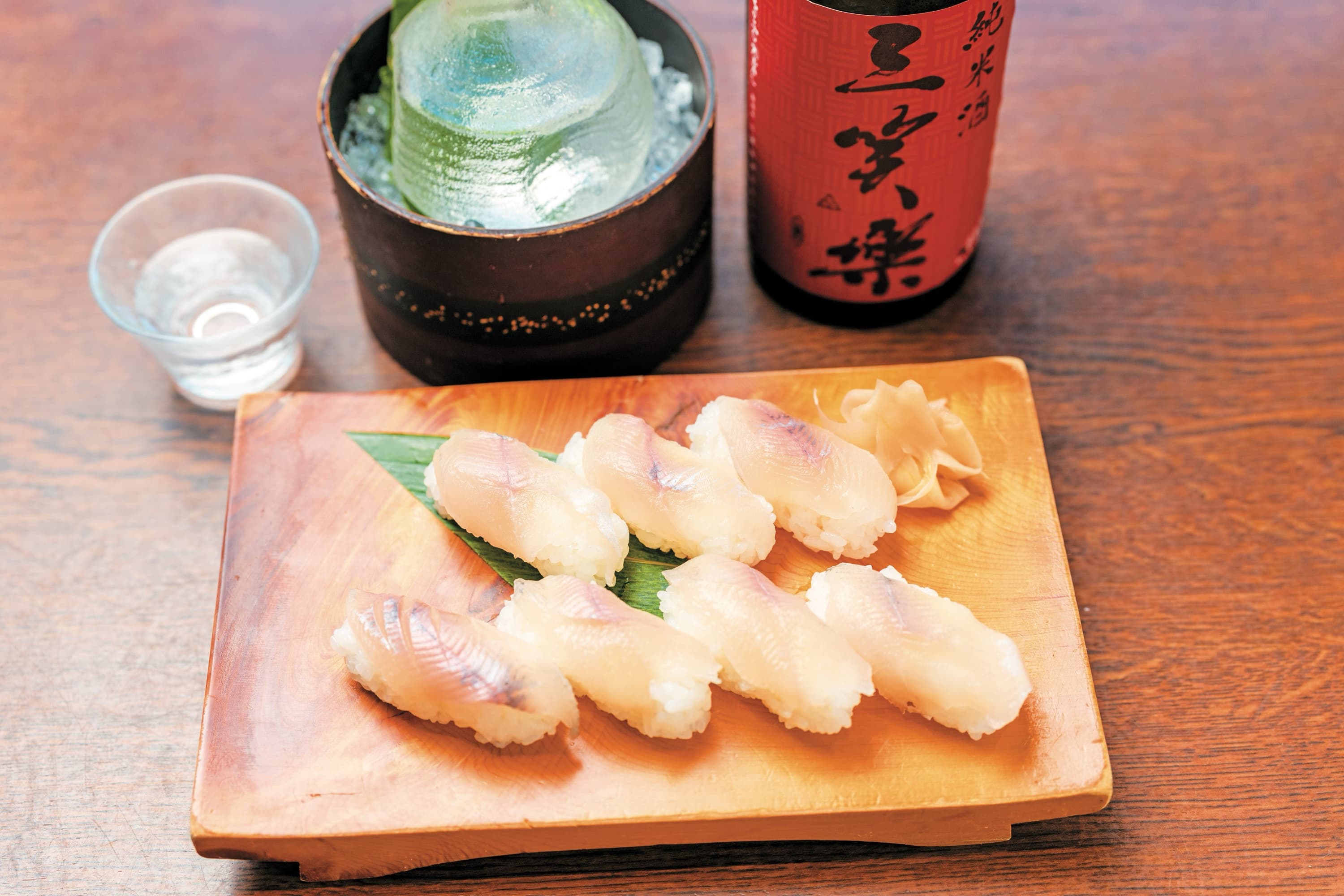
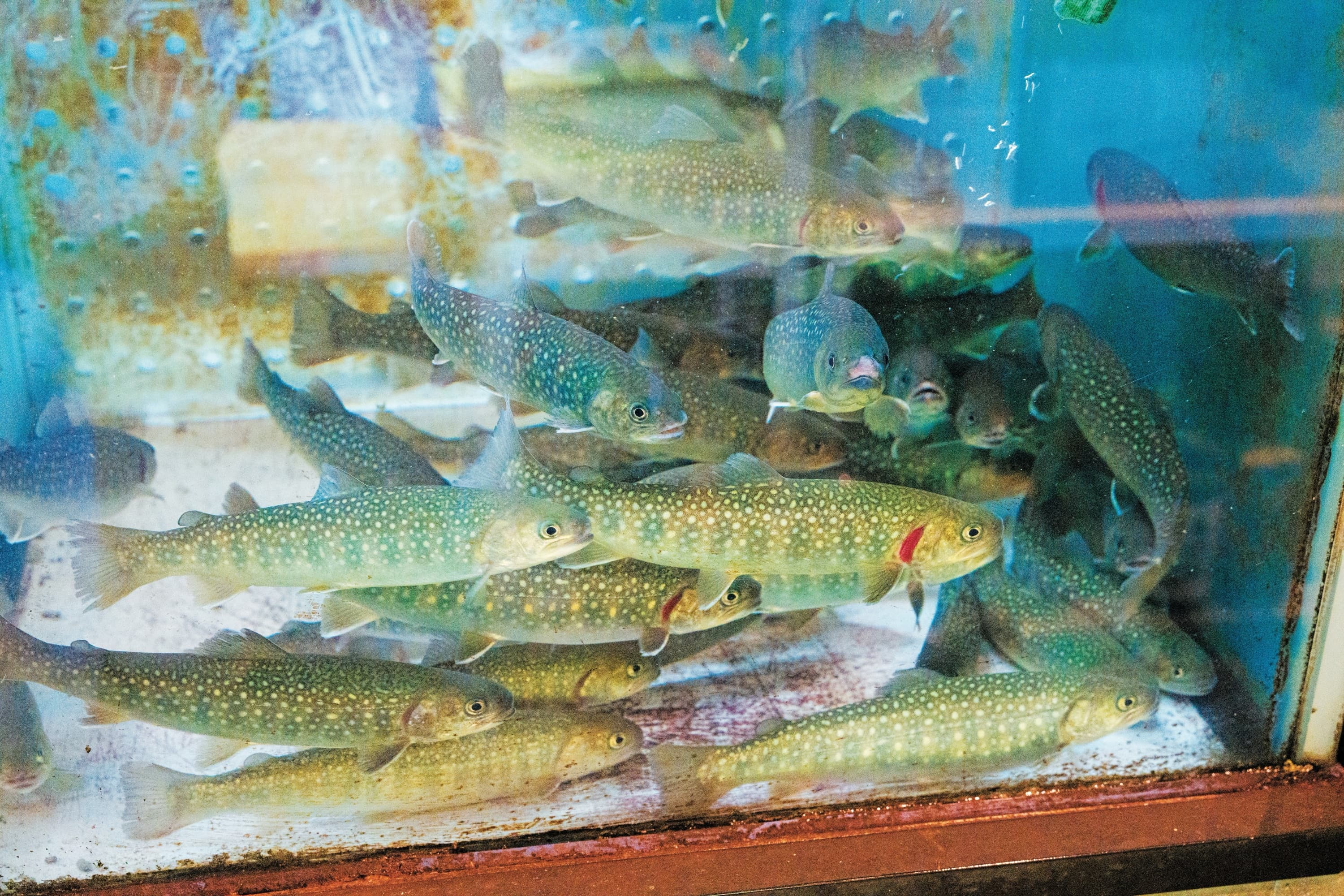
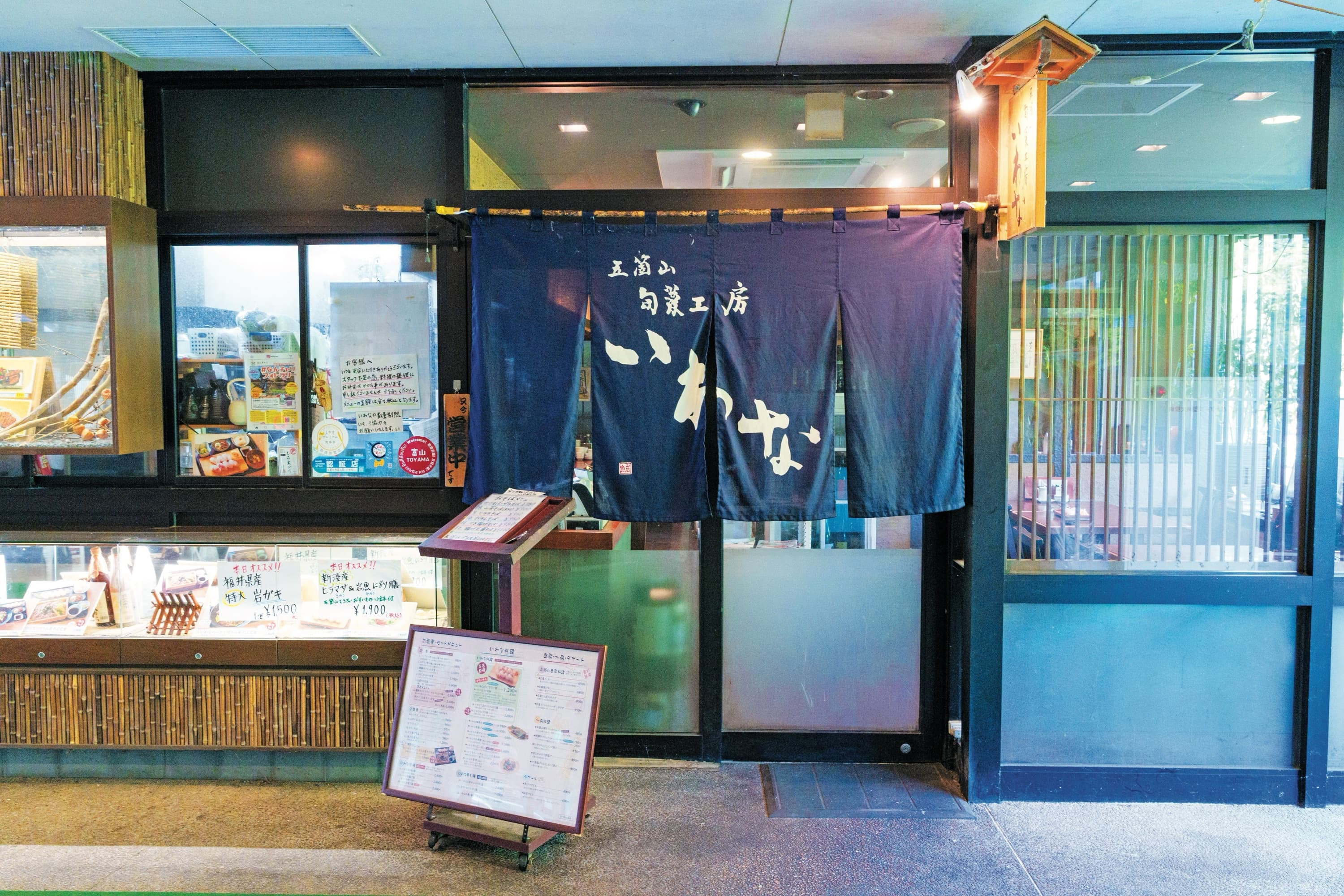
Chef Tanpo Minoru once led the kitchen at a prestigious restaurant in Kanazawa. Char from the live tank is prepared to order—the ¥1,200 char nigiri is the signature, with a firm, springy bite. In autumn, look for soba and tempura with wild maitake mushrooms.
Kihei Shōten
1 min walk from Kaminashi bus stop
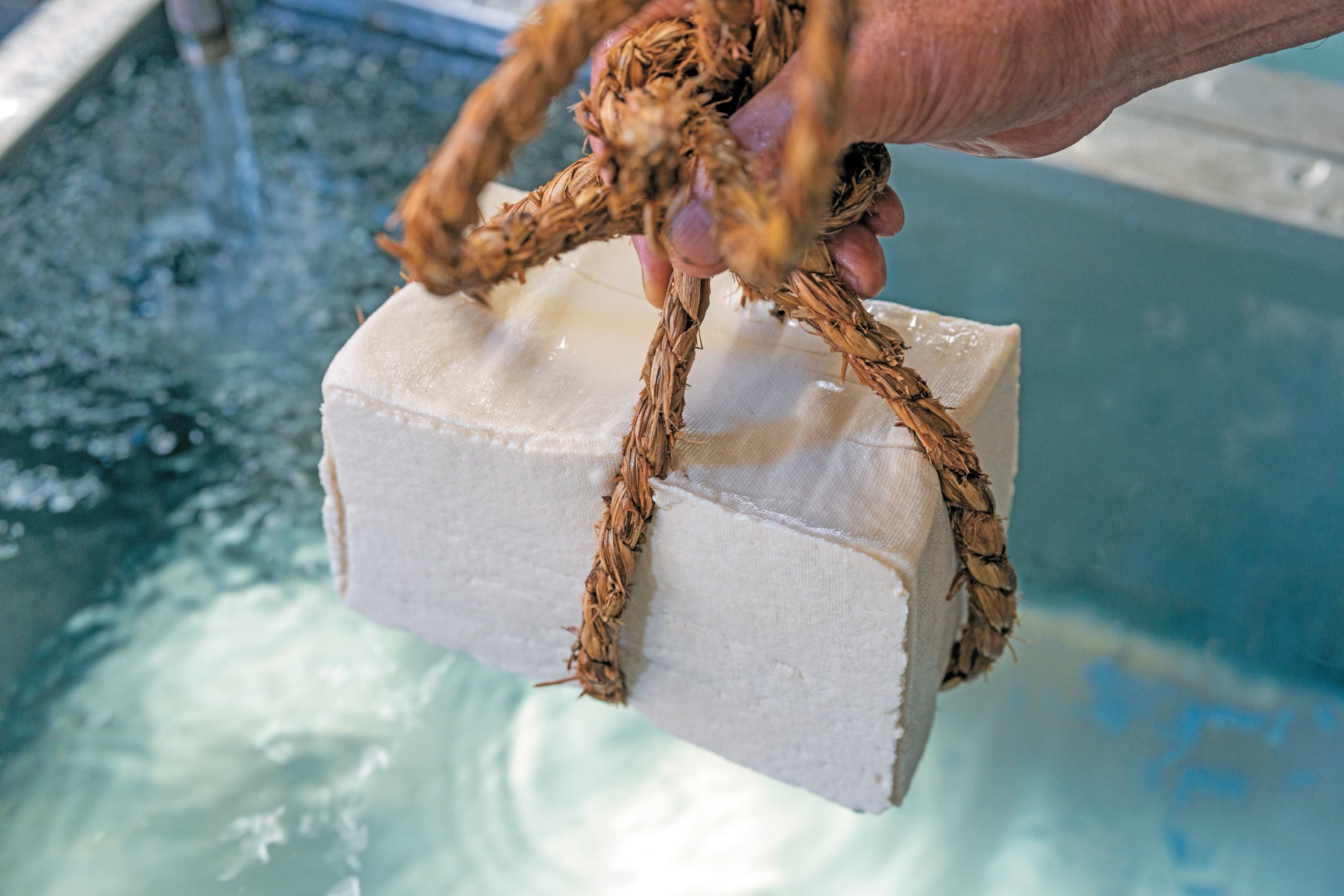
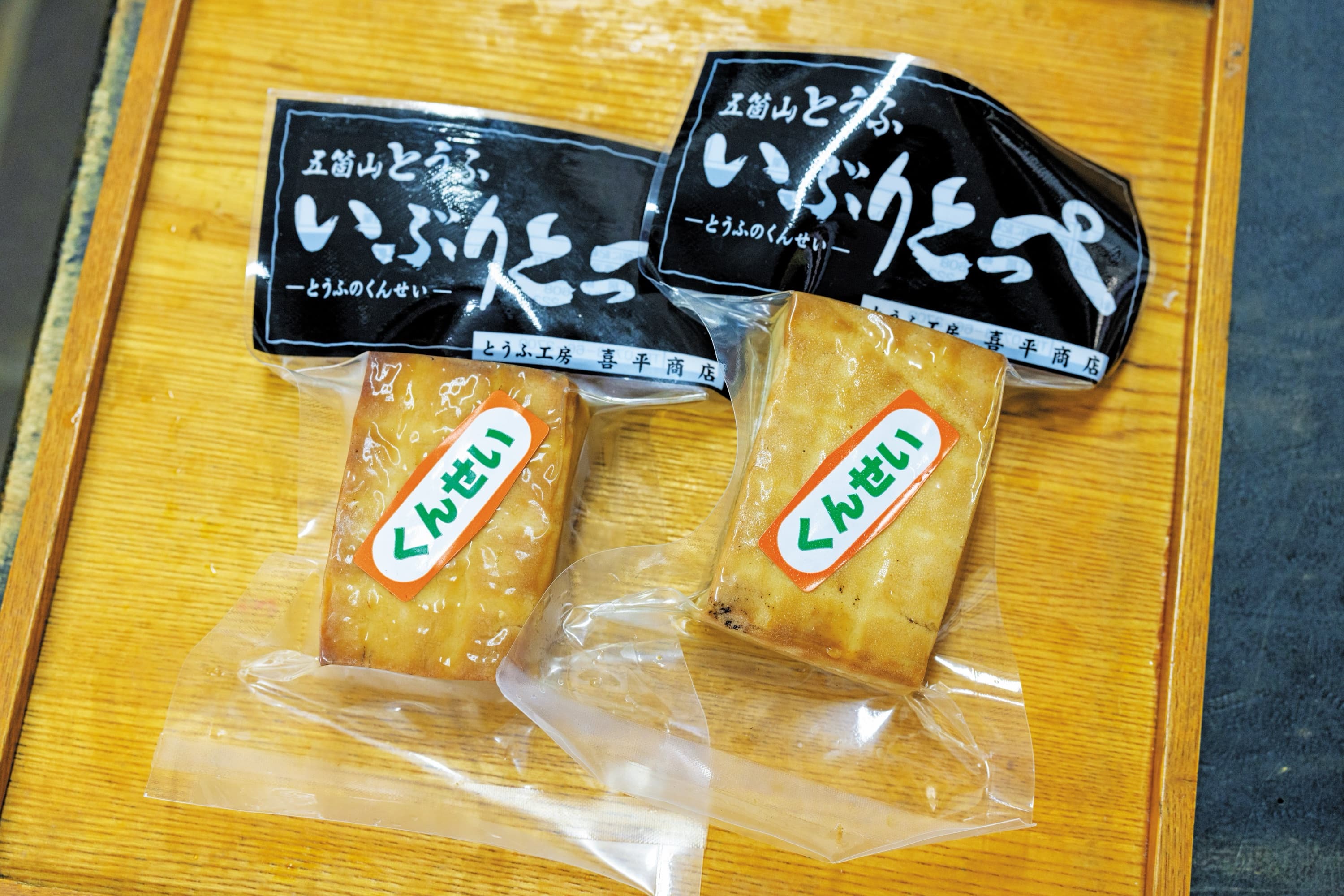
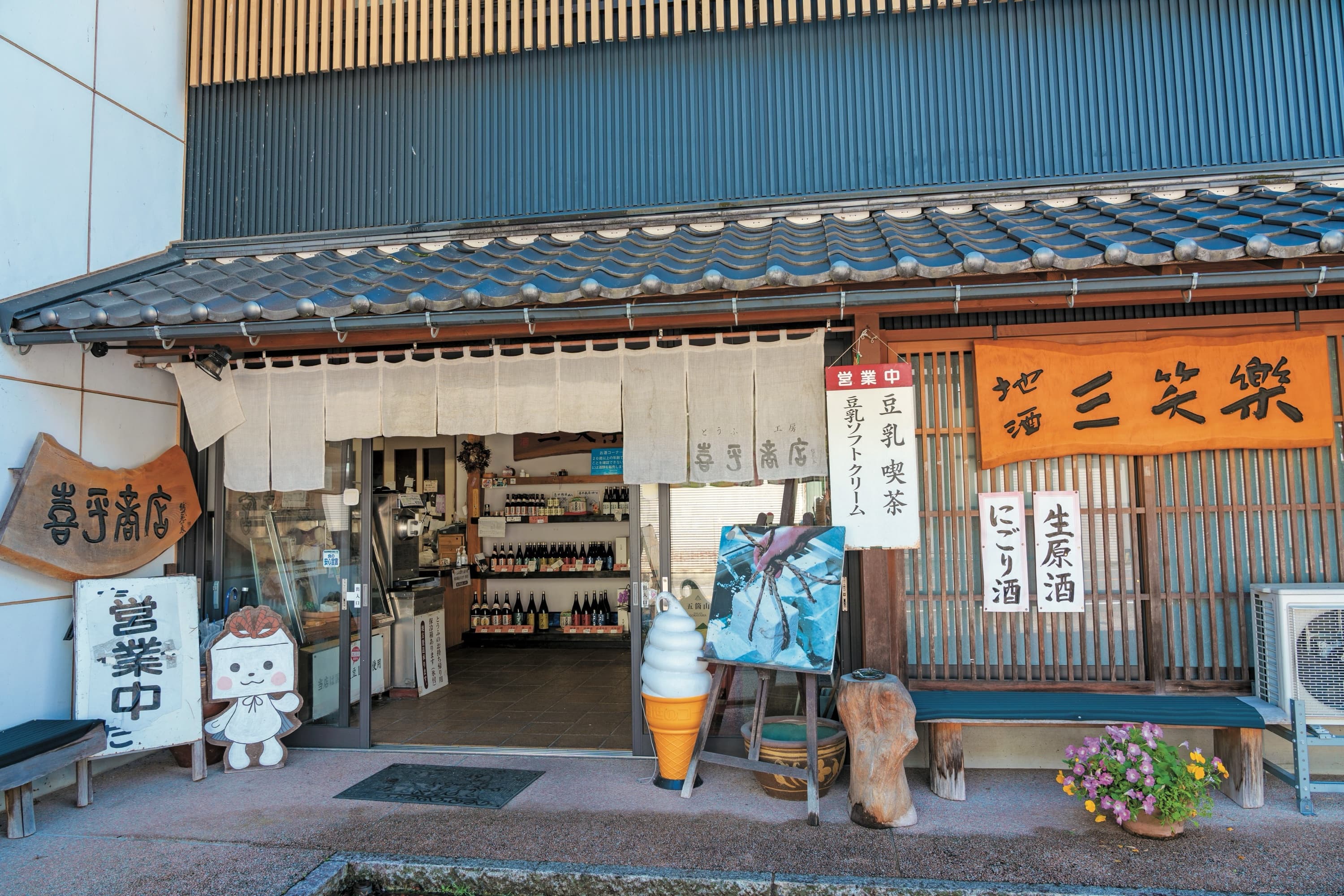
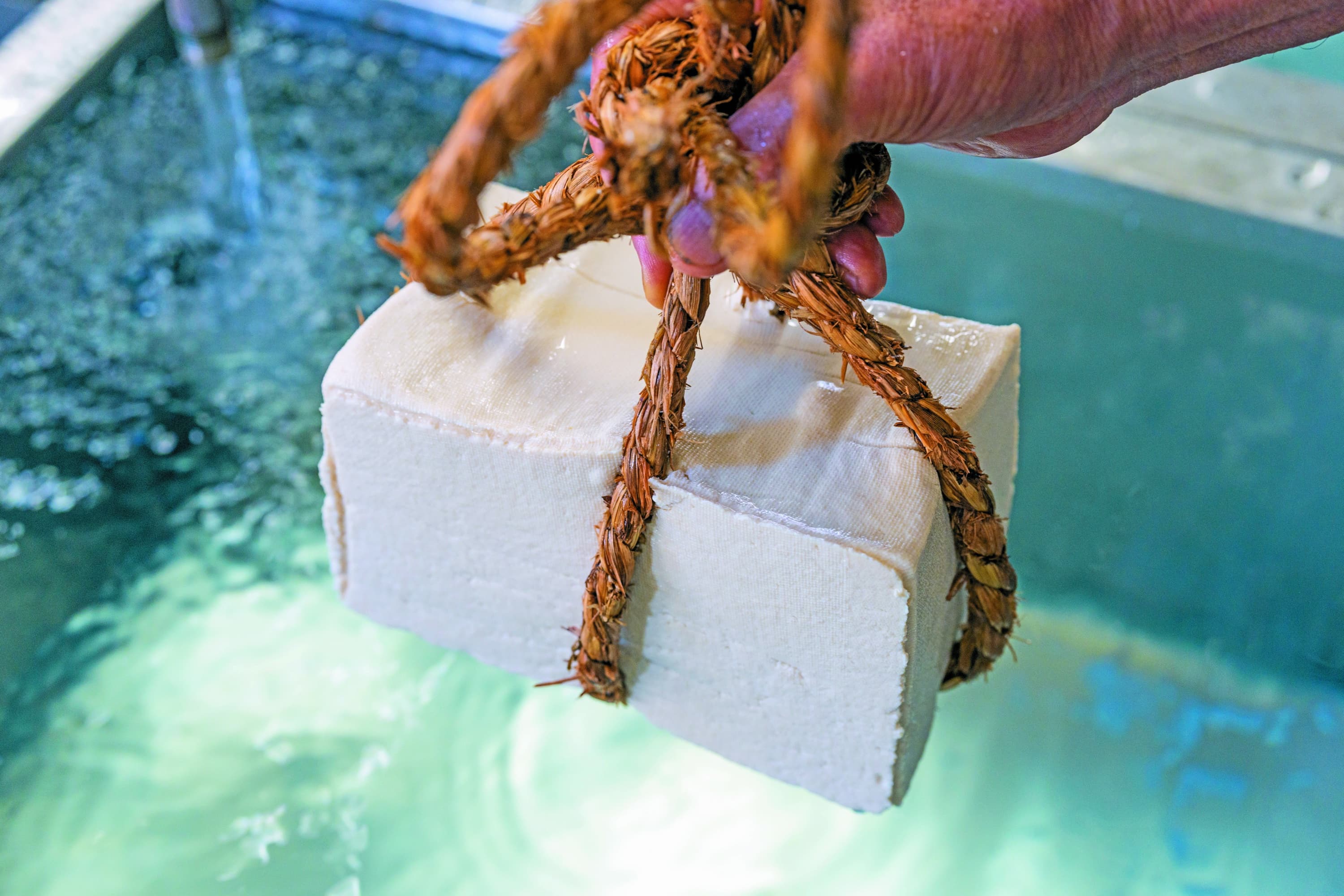
Gokayama tofu is often called kata-dōfu (firm tofu) for its dense texture and rich soybean flavor. According to owner Iwasaki Kihei, it reflects an older style of tofu that took root here as part of Jōdo Shinshū hospitality—and is still made that way today.
Haba Seika
Right by Shimonashi bus stop
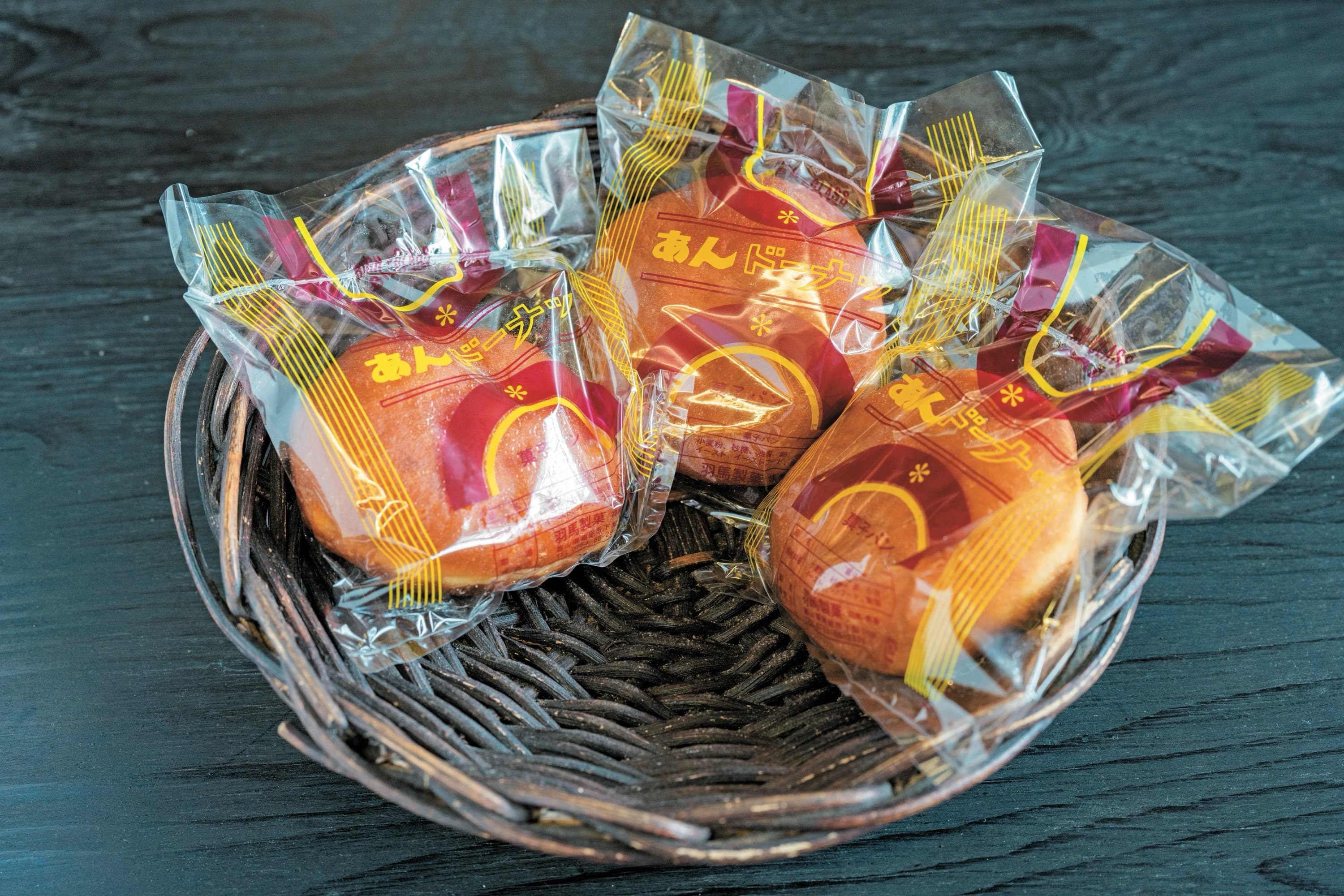
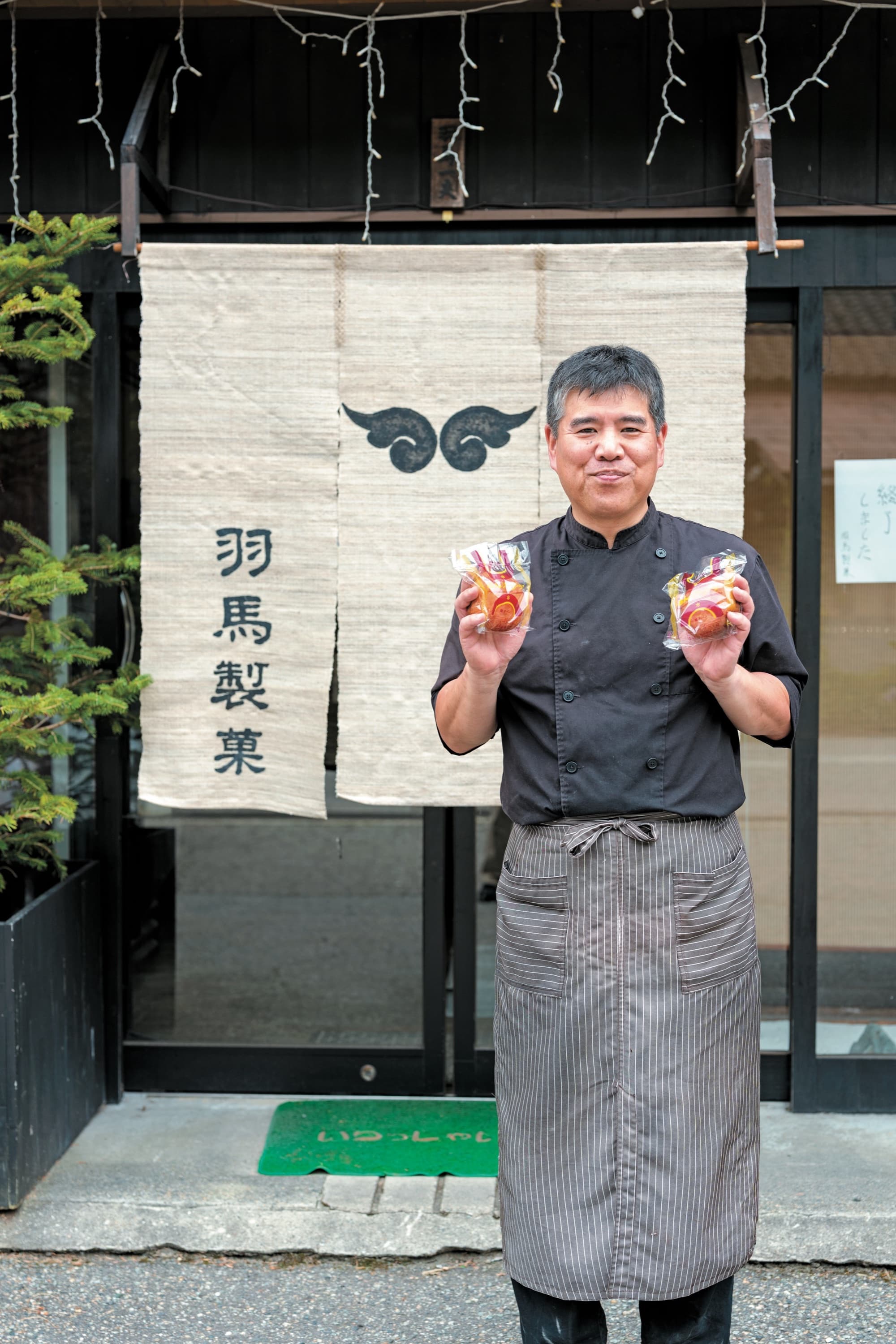
A bakery that has been here for some 60 years. They once made many breads and wagashi, but an-donuts sold so well they narrowed the lineup to focus on them. Generous house-made bean paste pairs beautifully with the lightly toasted dough.
More to Explore
Extra spots worth a detour if your schedule allows
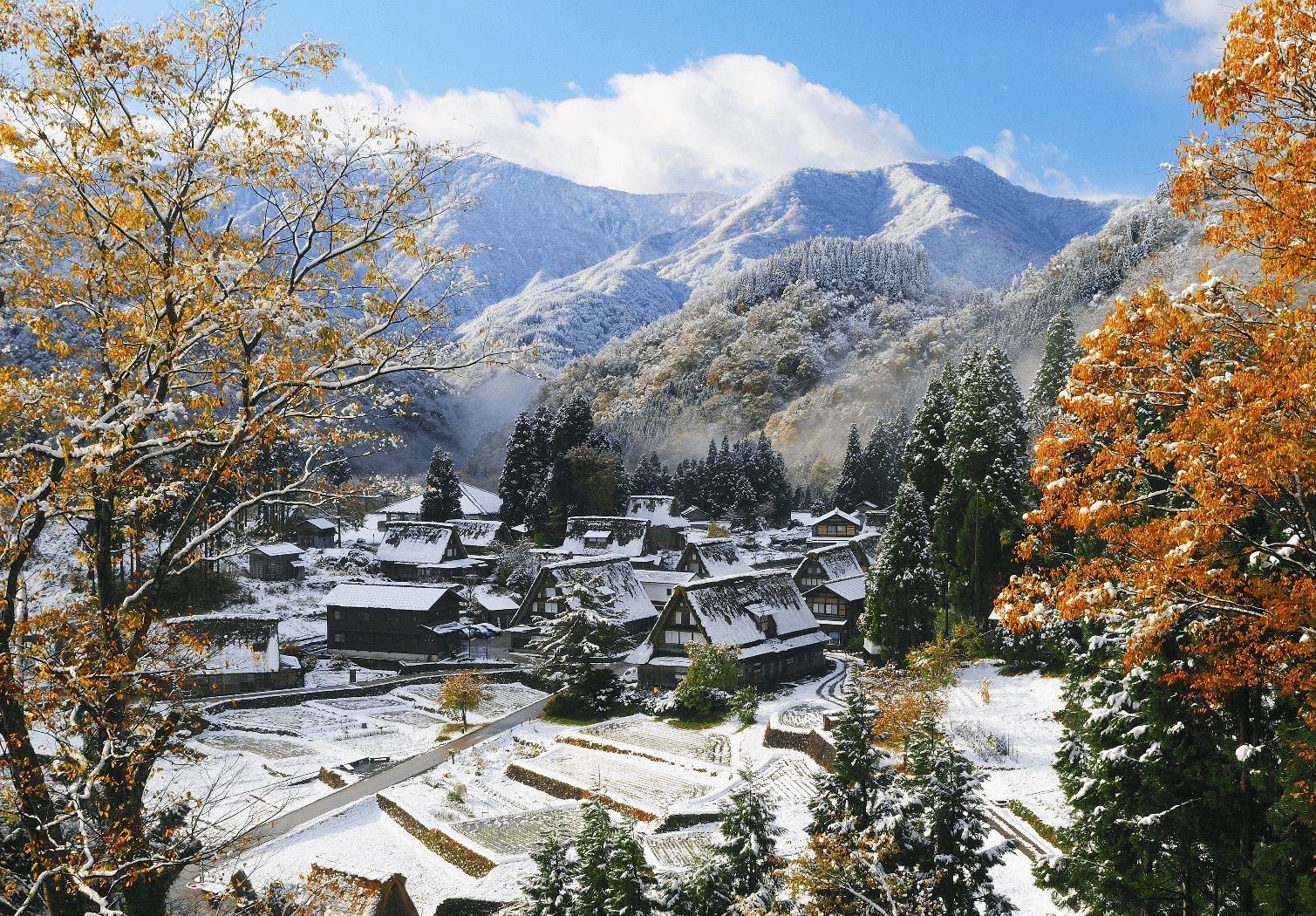
Ainokura village — viewpoint
Ainokura still has about 20 gassho-style houses. From Parking Lot 1, walk about 10 minutes up the path between the rice paddies for one of the best views over the village.
Suganuma village — viewpoint
Suganuma today has nine surviving gassho-style houses. Walking from the Suganuma viewpoint parking area down toward the village along Route 156, you pass a lookout over the settlement.
Getting There
Getting to Kanazawa
Kanazawa to Gokayama
Express buses run from Kanazawa to Gokayama without a change. Advance reservation is required, so plan ahead. In winter, direct buses may not run; a rental car is often easier. Winter roads can be hazardous—use studless tires when driving in snow.
Before You Go
Transport
Nanto–Kanazawa World Heritage Bus Free Pass
Unlimited rides on the World Heritage Bus between Kanazawa Station and the World Heritage gassho villages, plus the Nanto–Kanazawa line buses handy for exploring Nanto City's Inami, a town of wood carving registered as a Japan Heritage site. Reserve a digital ticket in the app in advance, or buy at Kanazawa Station or selected hotels in the city.
Rental bicycles
Buses and cars are convenient, but cycling lets you feel the natural surroundings more fully. Rent at the Gokayama General Information Center for a freer, more flexible exploration of the area. E-bikes are available, so even those less confident about hills can enjoy the ride.
Culture
Walking etiquette
People still live in these villages. Do not enter areas beyond the route, and avoid walking very early in the morning or at night out of respect for residents.
Wildlife & insects
You are in deep mountain country—expect insects in summer and wildlife year-round. Use insect repellent in warm months; outside winter, take basic bear-safety precautions and stay aware of your surroundings.
Food
Local dishes to try
Gokayama tofu is made with cold mountain water and is famously firm. Compare it with softer styles of tofu elsewhere in Japan to taste the difference.
Seasons
Best season
The Architecture of Gassho-style Houses was built to bear heavy snow and winter wind. Snow-covered roofs in winter are especially striking and show why these structures look the way they do.
Questions about Gokayama (Toyama)
Access & Transport
How do I get to Gokayama from Kanazawa?
Is there a pass that covers buses to Gokayama?
Can I rent a bicycle in Gokayama?
Is it possible to drive to Gokayama from Kanazawa?
Sightseeing & Culture
Is Gokayama a UNESCO World Heritage Site?
Do people still live in the gassho-style villages of Gokayama?
What is the best season to visit Gokayama?
Are there bears in Gokayama?
What is the Iwase Residence?
Food
What is Gokayama tofu?
What local food should I try in Gokayama?
SAVE THIS TRIP PLAN
High-resolution PNG — perfect for sharing or offline reference